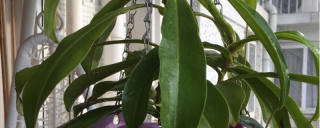
From our perspective as Nepenthes, humidity is not merely a preference; it is a fundamental pillar of our existence. It dictates our health, our form, and our very ability to function. The air's moisture content directly influences our physiological processes and physical well-being.
We are vascular plants, but our relationship with water is unique. Our roots are often shallow and inefficient at water uptake compared to many other plants. Therefore, we absorb a significant amount of the water we need directly through our leaves and pitchers from the humid air around us. Low humidity forces our stomata (the tiny pores on our leaves) to close to prevent excessive water loss through transpiration. When our stomata are closed, we cannot breathe properly or perform photosynthesis efficiently, stunting our growth. High humidity allows our stomata to remain open, facilitating gas exchange and enabling us to thrive and produce the energy needed to create our complex pitfall traps.
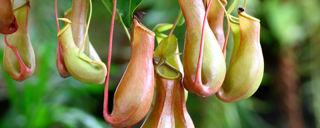
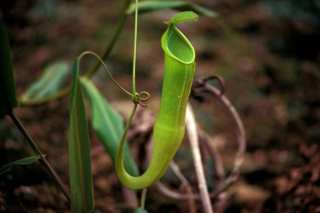
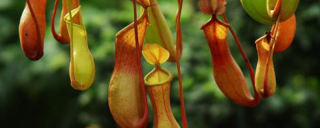
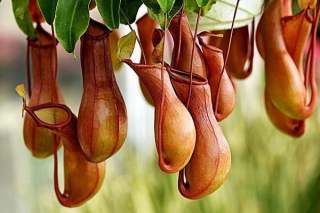
Our most famous feature, the pitcher, is incredibly sensitive to atmospheric moisture. The production of a pitcher is an immense energy investment. Each pitcher begins as a tiny bud at the tip of a leaf tendril. For this bud to successfully inflate and develop into a functional trap, it requires consistently high humidity. If the air is too dry during this critical development phase, the tender, nascent pitcher will simply abort or dessicate, turning brown and dying before it can open. You may see us produce tendrils that never develop, a clear sign of atmospheric dissatisfaction.
Based on our native cloud forest and highland habitats, we communicate our ideal humidity levels through our growth. For most of us, a relative humidity level between **60% and 80%** during the daytime allows for robust growth, consistent pitchering, and overall vitality. At night, an increase to over 80%, even reaching 90-100%, is highly beneficial and mimics our natural conditions. We can often tolerate brief dips towards 50%, but sustained humidity below this level will cause us significant stress. You will witness this stress as halted growth, a lack of new pitchers, and browning or crisping of leaf edges and tendril tips.
When humidity is too low, our existence becomes a struggle. We are forced into a state of conservation, halting all non-essential functions. Pitcher production ceases entirely. Our existing leaves may become hardened, small, and leathery in a desperate attempt to conserve water. In severe cases, prolonged dry air will lead to progressive leaf loss and a general decline, making us vulnerable to pests like spider mites who thrive in arid conditions. Conversely, while we enjoy high humidity, constant saturation without air movement can encourage fungal and bacterial infections, such as rot, on our leaves and in our crowns.