The need for winter dormancy in your pitcher plant is not a simple yes or no answer, as it is entirely dependent on the specific genus and species you are cultivating. From the plant's physiological perspective, dormancy is a crucial survival strategy evolved to withstand periods of cold temperatures and reduced light, not a mere suggestion. Applying the wrong protocol can lead to plant stress, decline, or death.
For temperate species, dormancy is an obligatory, non-negotiable part of their annual life cycle. It is triggered by the shorter day lengths and cooler temperatures of autumn. During this period, the plant's metabolic processes slow down dramatically. Above-ground growth halts, and some pitchers may brown and die back as the plant redirects its energy to its rhizome (underground stem) for storage. This is not a sign of the plant dying but of it entering a state of suspended animation to conserve resources. Denying a temperate plant this rest period by keeping it warm and under strong, long-duration light will exhaust it, much like forcing a person to stay awake for months. The plant will deplete its energy reserves, become susceptible to pests and disease, and will likely perish within a season or two.
This category primarily includes species native to temperate climates of North America. The most common in cultivation are members of the Sarracenia genus (North American Pitcher Plants), along with Darlingtonia californica (the Cobra Lily) and the temperate species of Drosera (Sundews) often found growing alongside them. These plants have evolved to experience, and indeed require, a cold winter period of 3-4 months where temperatures are consistently between 2°C to 10°C (35°F to 50°F). During this time, they must be kept moist but not waterlogged, and they require reduced light (though not complete darkness).
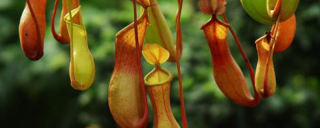
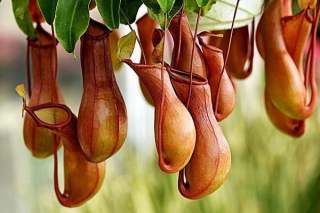
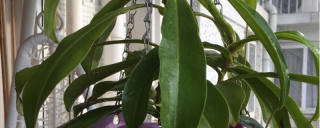
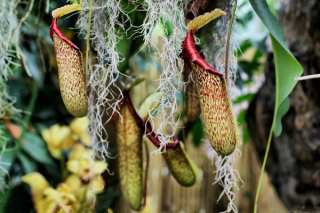
This group consists of species native to tropical regions where seasonal variations are minimal, characterized by changes between wet and dry seasons rather than warm and cold ones. The most notable examples are the species of Nepenthes (Tropical Pitcher Plants) and Heliamphora (Sun Pitchers). For these plants, winter in a northern hemisphere home simply means a period of slightly less vigorous growth due to lower light levels. They should be kept in their usual warm, humid, and bright conditions year-round. Subjecting them to cold temperatures would be a severe shock, likely resulting in cold damage and death, as they possess no evolutionary adaptations for it.
For plants that need it, providing a proper dormancy is essential. The primary trigger and requirement is a sustained cold period. An unheated garage, a cool basement, or even a protected cold frame can be suitable, provided temperatures stay above freezing but within the ideal cold range. Light is still required but is significantly reduced; a north-facing windowsill or the dim light of a garage window is often sufficient. Watering needs decrease as the plant is not actively growing, but the soil must never be allowed to dry out completely. The goal is to keep the rhizome hydrated but not rot it in cold, soggy conditions.