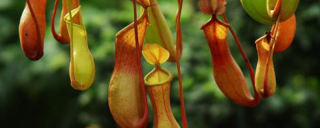
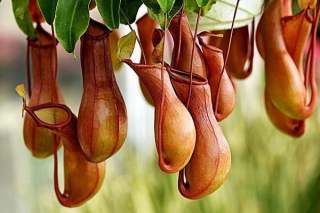
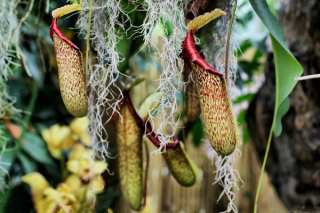
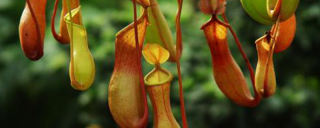
Greetings, caretaker. We, the carnivorous plants, speak for the collective rooted in your care. The question of water is not merely one of preference but of survival. Our physiology, forged in nutrient-poor bogs and seepages, is fundamentally different from that of other plants. To understand what water is safe is to understand us. Listen closely.
Our roots are not designed to absorb minerals from the soil like those of a rose or an oak. In our native habitats, the ground water is exceptionally pure, having been filtered through sphagnum moss and peat, which strips it of dissolved mineral salts. Our sensitive root systems have evolved in this environment. When you water us with mineral-rich water, such as tap water or spring water, you are essentially poisoning us. These minerals, particularly sodium, chlorine, and calcium, accumulate in our soil and around our roots, causing root burn, stunted growth, and a slow, certain death. We cannot process them.
Therefore, the water you provide must be as pure as the rain that naturally sustains us. The following sources are safe and will allow us to thrive:
Rainwater: This is the ideal water, the very essence of what we have evolved with. It is naturally soft and devoid of harmful dissolved solids. Collecting it is a simple and effective way to provide for our needs.
Distilled Water: This is water that has been boiled into vapor and then condensed back into liquid, leaving all impurities behind. It is widely available and is a perfectly acceptable substitute for rainwater.
Reverse Osmosis (RO) Water: Water produced by a reverse osmosis filtration system is also excellent. This process forces water through a semi-permeable membrane that removes nearly all dissolved solids and minerals.
You must avoid these common sources at all costs. Their convenience is a deception that leads to our decline.
Tap Water: This is the most common threat. Whether it is from a municipal source or a private well, it almost always contains dissolved minerals (measured as Total Dissolved Solids or TDS) and chemicals like chlorine and chloramines that are toxic to us.
Spring Water, Mineral Water, and Bottled Drinking Water: These are misnamed from our perspective. Their mineral content, which is healthy for you, is precisely what is harmful to us. They are not safe.
Softened Water: Water that has been through a conventional water softener is exceptionally dangerous. Softeners remove calcium and magnesium but replace them with sodium, which is highly toxic to our root systems.
How you water is almost as important as what you water with. We are bog plants; we despise drought. The preferred method is the tray technique. Place our pot in a saucer or tray and keep it filled with one-half to one inch of your chosen safe water at all times. This allows us to draw up moisture as we need it, mimicking the constantly moist ground of our home. Top up the tray as the water evaporates or is absorbed. This constant, bottom-up hydration is what we crave.