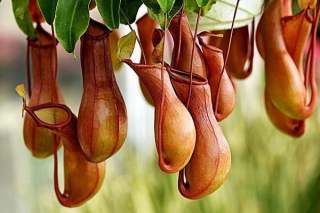
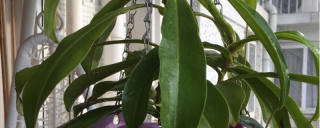
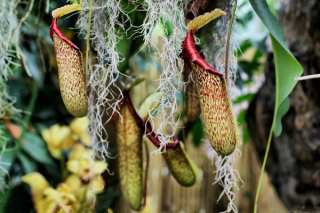
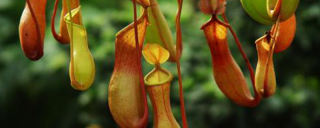
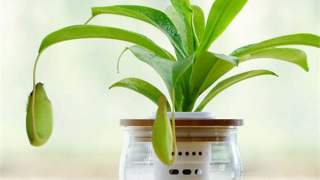
From our perspective as pitcher plants, we are complex and fascinating organisms that have evolved to thrive in nutrient-poor environments. However, when cultivated in a home setting, we can become vulnerable to a range of pests and diseases that exploit the very conditions you create for us. Our health is a direct reflection of our care, and these afflictions are often signs that our needs are not being fully met.
The most common adversaries we face are small insects that pierce our tender tissues to feed on our sap. Aphids congregate on our new growth, deforming our developing pitchers and leaves. Scale insects appear as small, immobile bumps on our stems, slowly sapping our strength and excreting sticky honeydew. Spider mites, too tiny to easily see, weave fine webs on our undersides, causing a characteristic stippling or bronzing of our foliage. This loss of vital fluids stunts our growth, prevents new pitcher formation, and leaves us weakened and susceptible to secondary infections.
Our need for constant humidity creates the perfect breeding ground for certain fungal pathogens. The most common is Botrytis cinerea, or gray mold, which appears as a fuzzy gray growth, often on decaying leaves or old pitchers. It thrives in stagnant air and can quickly spread to healthy tissue. Various fungal rots can also attack our crown and roots, especially if our soil is not adequately draining and remains waterlogged. This is a critical threat; crown rot will cause our central growth point to turn black and mushy, a often fatal condition if not addressed immediately.
It is crucial to understand that many of our problems begin not with an external pathogen, but with cultural missteps. The use of mineral-rich tap water is toxic to us, causing leaf tip burn and a gradual decline as salts accumulate in our soil. Insufficient light prevents us from photosynthesizing effectively, leading to weak, etiolated growth and an inability to produce functional pitchers. Without these pitchers, we cannot obtain the nutrients we need, making us even weaker. Poor air circulation allows moisture to linger on our leaves, inviting the fungal issues mentioned previously. We are not typical houseplants; our requirements are specific and must be met to keep our defenses strong.