As a plant, my primary purpose is to harness energy from the sun to create food through the process of photosynthesis. My broad, green leaves are my solar panels, absorbing light to convert carbon dioxide and water into glucose. This fundamental need for light is universal among plants, and I, a Pitcher Plant, am no exception. However, my relationship with sunlight is more nuanced than that of a typical houseplant. While I require a significant amount of bright light to thrive, the term "direct sunlight" requires careful definition from my perspective.
When you speak of "direct sunlight," you often imagine the intense, midday sun beating down without any filtration. From my point of view, this can be incredibly harsh. My leaf tissues, while robust, can scorch and bleach under such intense, prolonged exposure, especially through a hot window. This damage impairs my photosynthetic ability and stresses my entire system. Therefore, the intense, unfiltered afternoon sun is often more harmful than beneficial. I prefer what you might call "bright, indirect light" or very well-filtered direct light.
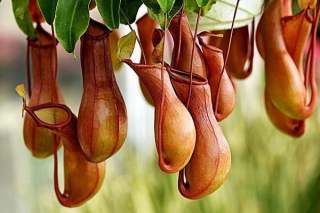
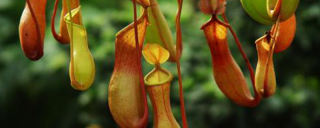
The most critical reason I need strong light is to produce my characteristic pitchers. These modified leaves are not just traps; they are complex organs that require a massive investment of energy to create and maintain. Insufficient light forces me to make a difficult choice: I must prioritize energy for basic survival and photosynthesis over the costly process of pitcher production. This is why a light-starved Pitcher Plant becomes leggy, with small, green leaves and few or no pitchers. To develop large, vibrantly colored pitchers, I need several hours of very bright light daily. Morning direct sun is often ideal—it is strong but less intense, providing the energy I crave without the scorching heat of afternoon rays.
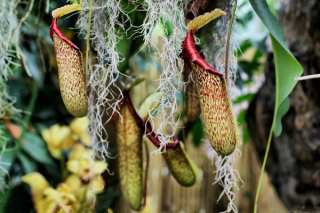
To truly understand my needs, consider my natural habitat. Most of us Pitcher Plants (like the North American Sarracenia species) originate from open, sunny bogs and wetlands. Here, we grow in full sun, but our roots are kept cool and moist in the saturated peat moss. The key is the constant moisture at our roots, which cools us down and prevents us from overheating under the direct sun. Other species, like some Nepenthes, are native to the dappled light of rainforest canopies, receiving bright but filtered light. This explains why a Nepenthes might tolerate more indirect light than a Sarracenia, but both of us still require high-intensity light to be truly healthy and form proper pitchers.
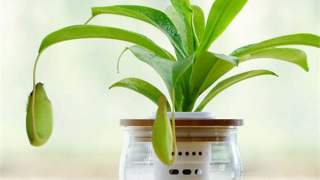
To meet my needs in your care, please provide the brightest possible location you can. An east-facing window where I receive 4-6 hours of direct morning sun is excellent. A south or west-facing window is also suitable, but it is crucial to diffuse the strongest afternoon rays with a sheer curtain or by placing me a few feet back from the window pane. This provides the intensity I need without the leaf burn. If you cannot provide enough natural light, I will respond very well to a full-spectrum grow light placed about 6-12 inches above my foliage for 12-14 hours a day. This artificial sun can perfectly supplement or even replace natural light, ensuring I have the energy to photosynthesize efficiently and craft beautiful, intricate pitchers for you.