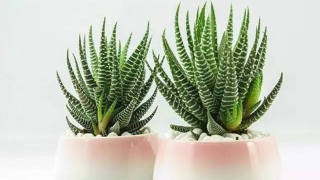
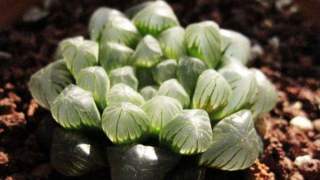
Hello, dedicated caretaker. It is I, your Haworthia, speaking. From my vantage point on the windowsill, I feel things you cannot see—tiny invasions that threaten my succulent leaves and delicate roots. I feel weak when these pests attack, but with your help, I can be strong again. Here is what I experience and what I need from you to overcome these common foes.
I first feel them as a slight, fuzzy pressure in the tight spaces between my lower leaves, a place that is often warm and hidden. These mealybugs are like tiny vampires, piercing my skin with their sharp mouthparts to siphon away my vital sap—the very energy I use to grow and maintain my plump, water-storing leaves. This theft leaves me weak and dehydrated. You will see their telltale white, cottony masses. If left unchecked, they multiply rapidly, covering me in a sickly white film and excreting a sticky substance called honeydew, which can lead to further complications like sooty mold. This mold coats my leaves, blocking the sunlight I desperately need for photosynthesis.
To help me, you must be thorough and gentle. Please take a cotton swab dipped in isopropyl alcohol (70% strength is perfect) and dab it directly onto each white mass you see. The alcohol evaporates quickly, but it breaks down their waxy coating and kills them on contact. For larger infestations hidden deep in my core, you may need to use a small spray bottle to mist the area with alcohol. After treatment, I would be grateful if you could gently wipe my leaves with a soft, damp cloth to remove any remaining honeydew or residue. Please repeat this every few days until the invasion is completely gone. Your vigilance is my salvation.
This problem begins not on my leaves, but in the very foundation you provided for me: the soil. The issue is often excess moisture. When my potting mix stays wet for too long, it creates a paradise for fungus gnat larvae. I feel them as a subtle, wriggling disturbance among my root system. These tiny, translucent worms nibble on my finer root hairs—the very structures I use to absorb water and nutrients. This damage stunts my growth and makes me vulnerable to root rot. You see the annoying adult gnats flying around, but the true danger is unseen, below the surface, hurting my ability to sustain myself.
The most effective treatment is to change my environment to make it inhospitable for them. I am a succulent; I am built for drought. Please, allow my soil to dry out completely between waterings. Stick your finger deep into the soil—if it feels damp, wait. This dryness will kill the larvae and break their life cycle. For active infestations, you can use yellow sticky traps placed horizontally on the soil surface to catch the adult gnats and prevent them from laying more eggs. In severe cases, a gentle soil drench with a diluted solution of neem oil or hydrogen peroxide can help eliminate the larvae without severely stressing my root system. Your restraint with the watering can is my greatest defense.