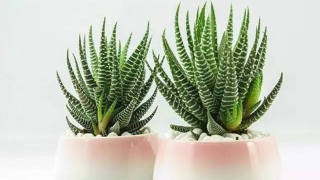
Haworthia plants, belonging to the Asphodelaceae family, are widely regarded as non-toxic to both cats and dogs. This classification places them in the same broader family as Aloe plants, which are known to be toxic. However, Haworthia species themselves do not produce the same harmful anthraquinone compounds, such as aloin, that make their relatives dangerous. Major animal welfare organizations, including the American Society for the Prevention of Cruelty to Animals (ASPCA), explicitly list Haworthia as a pet-safe plant. This makes them a popular and low-risk choice for houseplant enthusiasts who share their homes with curious pets.
From a botanical standpoint, the physical structure of most Haworthia plants offers a natural deterrent to pets. Many popular varieties, such as Haworthia fasciata (Zebra Plant) or Haworthia attenuata, have thick, fleshy leaves that are often pointed and firm. While not sharp enough to cause serious injury, the texture and rigidity of these leaves are generally unappealing for a cat or dog to chew on extensively. A pet might bat at the plant or take an investigative nibble, but it is unlikely to consume a large quantity due to the plant's tough and somewhat unpalatable nature. This built-in defense mechanism helps protect the plant from significant damage and minimizes the risk to the animal.
Even though Haworthia is classified as non-toxic, it is important to consider the minor physical risks associated with any houseplant. If a cat or dog were to chew on and ingest a large piece of a Haworthia leaf, the physical properties of the plant could potentially cause mild gastrointestinal irritation. This is not due to poison but simply because the animal's digestive system is not accustomed to processing fibrous plant matter. Symptoms could include mild vomiting, drooling, or diarrhea. Furthermore, the soil the plant is growing in can harbor mold, bacteria, or fertilizers that might be harmful if ingested. Using pet-safe potting mixes and keeping plants out of easy reach can mitigate these secondary risks.
Understanding Haworthia's pet-friendly status is best achieved by comparing it to other common succulents. This highlights why plant identification is crucial for pet owners. For instance, many Euphorbia species, like the Pencil Cactus, contain a highly irritating sap that is toxic and can cause severe reactions. Similarly, plants like Jade (Crassula ovata) and Aloe Vera are known to be toxic to pets and can cause vomiting, lethargy, and more serious symptoms. The Haworthia, with its lack of irritating sap and toxic compounds, presents a significantly lower risk profile, making it a safer alternative within the diverse world of succulent plants.
To ensure complete safety for both your pets and your Haworthia, strategic placement is key. Despite being non-toxic, it is still advisable to place the plant in an area that is not easily accessible to your pets. This prevents any possible minor stomach upset from ingestion and also protects the plant from being knocked over or damaged. Placing Haworthia on high shelves, in hanging planters, or inside a terrarium are effective strategies. Providing pets with their own safe grass or catnip to chew on can also divert their attention away from your houseplants, satisfying their natural curiosity without any risk.