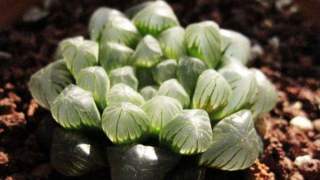
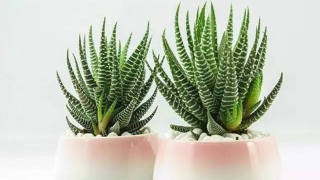
Yes, Haworthia species are exceptionally well-suited for indoor cultivation. From a botanical perspective, we are a genus of dwarf, succulent plants within the Asphodelaceae family, closely related to Aloe and Gasteria. Our evolutionary history in the arid, semi-shaded regions of South Africa has equipped us with specific physiological adaptations that align perfectly with the stable, often less intense conditions found inside human dwellings.
Our photosynthetic machinery is highly efficient in bright, but indirect, light. In our native habitat, we often grow tucked between rocks or under the scant shade of shrubs, which filters the intense African sun. This makes us perfectly adapted to the light conditions near an east or west-facing window, where we receive several hours of gentle morning or late afternoon sun. A south-facing window (in the Northern Hemisphere) can also work, but it may be necessary to diffuse the strongest midday rays with a sheer curtain to prevent photoinhibition—a state where excessive light actually damages our photosynthetic tissues, often manifesting as a reddish, yellow, or brown "sunburn" on our leaves. While we can tolerate lower light conditions better than many succulents, insufficient light will trigger etiolation: our growth becomes stretched and leggy as we physically reach for a light source, compromising our compact, rosette form.
Our metabolism thrives in temperatures that are comfortable for humans, typically between 65°F and 80°F (18°C - 27°C). We are not cold-hardy plants; prolonged exposure to temperatures below 50°F (10°C) can cause chilling injury, damaging our cell membranes and leading to soft, mushy tissue. Crucially, we benefit from a slight drop in temperature at night, which mimics our natural desert environment and supports vital respiratory processes. We enter a period of dormancy during the hottest summer months and again in the cooler winter. During winter dormancy, we require even less water and appreciate cooler temperatures, around 50-55°F (10-13°F), to properly rest and prepare for spring growth.
While light and temperature are primary, two other factors are intrinsically linked to our well-being indoors. First, our watering needs are minimal. Our leaves and roots are specialized for water storage. The potting medium must be extremely well-draining, and water should only be applied when the soil is completely dry. Overwatering is the most common cause of our demise, as it leads to root rot, a fatal condition where opportunistic fungi attack our oxygen-starved roots. Second, while we can tolerate average indoor humidity, excellent air circulation is non-negotiable. Stagnant, humid air around our base and soil surface creates an environment conducive to fungal pathogens and rot.