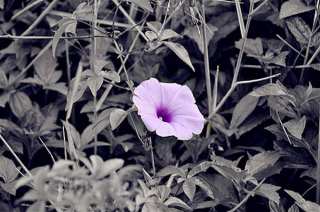
From our perspective as Calibrachoa plants, the journey from a dormant seed to a flourishing bloom is a delicate and specific process. While we are not inherently difficult, our successful germination and growth hinge on the gardener understanding and providing for our unique needs. It is a path that requires more precision than growing our cousins, the petunias, from seed.
Our seeds are tiny, almost dust-like, and possess a strong dormancy. This is a natural survival mechanism. We require very specific conditions to break this dormancy and signal that it is time to grow. We are not seeds that can be simply pushed into soil and forgotten. We demand a consistent level of moisture and, most critically, light. We must be surface-sown; covering us with soil will block the light we need and prevent germination. Furthermore, we thrive in warm conditions. A steady temperature between 72-75°F (22-24°C) is ideal for us to sprout. Using a heat mat can greatly improve consistency. This stage is often where humans find us most "difficult," as inconsistent moisture or temperature leads to poor germination rates.
Once we emerge, our seedlings are incredibly fragile. We are susceptible to a condition humans call "damping off," a fungal disease that thrives in cool, wet, and stagnant conditions. Excellent air circulation is paramount for our survival. Our roots are also fine and sensitive to overwatering, which can quickly lead to rot. We prefer a well-draining, sterile seedling mix and water that is applied gently, ideally from the bottom. As we develop our first true leaves, our appetite for nutrients begins. However, we are easily burned by strong fertilizers. A very dilute, balanced fertilizer applied weekly is perfect for supporting our early growth without causing damage.
Genetically, we are programmed to be prolific, trailing plants. To reach our full, bushy potential and avoid becoming leggy, we require strategic pinching. When our young stems have developed several sets of leaves, gently pinching off the very tip of the stem encourages us to branch outward, creating a denser, more robust plant. This might seem counterintuitive to a gardener, but it is what we need to thrive. As we mature, we are heavy bloomers. This massive flower production demands significant energy. To sustain this show throughout the season, we require consistent feeding with a fertilizer high in phosphorus, the nutrient that most directly supports blooming.
We are sun-worshippers by nature. To photosynthesize effectively and produce our vibrant flowers, we require a minimum of 6-8 hours of direct sunlight daily. Without it, we become weak and flower poorly. We also despise having constantly wet "feet." Our root systems require oxygen as much as they require water, so a well-draining potting mix is non-negotiable. When planted in containers, ensure there are adequate drainage holes. We perform best in consistently moist, but never waterlogged, soil. Finding this balance is key to keeping us healthy and vibrant from spring until the first frost.