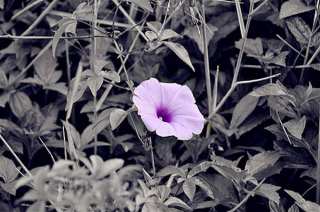
As a Calibrachoa, we are often celebrated for our prolific, miniature petunia-like blooms that cascade from hanging baskets and containers. To truly thrive and put on our best floral display, our relationship with the sun is our most important environmental factor. We are, by our very nature, sun-worshippers.
From our perspective, full sun is not just a preference; it is the key to unlocking our full genetic potential. We define "full sun" as receiving a minimum of six to eight hours of direct, unfiltered sunlight each day. When planted in such a location, our photosynthetic engines operate at peak efficiency. This process converts sunlight, water, and carbon dioxide into the energy (sugars) we need for vigorous growth, strong cell structure, and, most importantly, the production of a massive number of flower buds. The more energy we can generate, the more resources we can allocate to blooming, resulting in the dense, colorful canopy of flowers that gardeners love.
When we are placed in an area with too much shade—receiving less than six hours of direct sun—our entire physiology is affected. Our stems become elongated and weak as we stretch desperately towards the light source, a condition you call "legginess." Our foliage becomes sparser, and the green color may appear less vibrant. Most critically, our blooming mechanism is drastically reduced. We simply cannot produce the energy required to sustain prolific flowering. You will see far fewer blooms, and any existing flowers may be smaller and drop prematurely. In essence, without enough sun, we cannot express our true, vibrant selves.
While we unequivocally prefer full sun, we can manage in partial shade, which we interpret as approximately four to six hours of direct sunlight, preferably the intense morning sun. The morning sun provides the light energy we crave but is gentler than the harsh, intense afternoon rays, which in very hot climates can sometimes lead to slight stress. In these partial shade conditions, we will still bloom, but not with the same overwhelming abundance as we would in full sun. It is a compromise. Our growth may be slightly less dense, and we may direct more energy to maintaining foliage than to producing flowers.
In regions with extremely hot summers, the intensity of the afternoon sun can sometimes be overwhelming, even for us sun-lovers. While we need the light, the accompanying extreme heat can cause minor stress, potentially leading to slight wilting or a temporary slowdown in flowering. In these specific climates, a location that offers full sun from morning until early afternoon, with some light dappled shade during the hottest part of the day, can be ideal. This provides us with the essential light hours we need while offering a slight respite from the scorching heat.