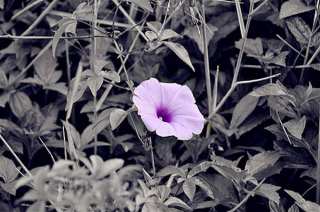
From our viewpoint as Calibrachoa, we are sun-worshipping perennials often grown as annuals. Our primary need is abundant, direct sunlight—at least 6 to 8 hours daily. This fuels our prolific blooming, allowing us to produce thousands of small, petunia-like flowers from spring until the first frost. Our root systems are fibrous and relatively shallow, meaning we prefer consistently moist but exceptionally well-draining soil. We are susceptible to root rot, so we despise having our "feet" sitting in waterlogged soil. A slightly acidic to neutral pH soil is our preferred home, as it allows for optimal nutrient uptake, especially iron, which is crucial for maintaining our vibrant green foliage and preventing chlorosis (yellowing leaves).
When considering companions, we Calibrachoa seek plants with similar cultural requirements to avoid competition and stress. Ideal partners are those who also thrive in full sun and appreciate the same watering regimen—consistent moisture without saturation. We benefit from companions that do not grow excessively tall and dense, which would shade us and stifle our flowering potential. Instead, we prefer plants with a similar mounding or trailing habit that can create a beautiful, layered tapestry without encroaching on our space. Furthermore, we appreciate neighbors who are not heavy feeders that would deplete the soil of nutrients we also require, or conversely, plants that are highly susceptible to the same pests, like aphids, which could lead to widespread infestations.
Several plant companions create a mutually beneficial environment. Trailing Verbenas are excellent neighbors; they share our love for sun and well-drained soil, and their growth habit complements ours, creating a cascading effect of color. Sweet Alyssum is another wonderful ally. It forms a low, fragrant carpet that helps shade our root zone, conserving soil moisture and keeping it cooler on hot days, which we greatly appreciate. Its flowers also attract beneficial insects like hoverflies and lacewings, whose larvae prey upon aphids that might bother us. Similarly, low-growing herbs like Creeping Thyme or Oregano provide ground cover and their strong scent can help deter certain pest insects, offering a form of natural protection for our community.
Just as there are good companions, there are plants we prefer to keep our distance from. Large, aggressive shrubs or fast-growing vines will quickly outcompete us for sunlight, water, and nutrients, leading to our decline. Shade-loving plants like Impatiens or Coleus are fundamentally incompatible due to their vastly different light requirements; placing them with us would result in their scorching or our failing to bloom. Heavy, water-guzzling plants can create overly moist soil conditions, increasing the risk of the root rot we are so vulnerable to. It is best to avoid creating a planting scheme where our basic survival needs are in direct conflict with another species.