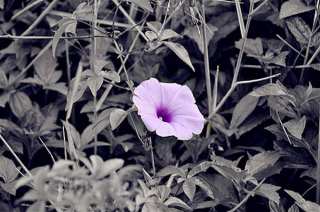
From a botanical perspective, Calibrachoa (often called Million Bells) is not equipped by nature to survive frost. We are classified as tender perennials, meaning our genetic programming originates from warm climates in South America, such as Brazil. Our cellular structure is not adapted to freezing conditions. We lack the physiological mechanisms that enable true cold-hardy plants to survive ice formation within their tissues. When temperatures drop to 32°F (0°C) or below, the water inside our cells freezes. This expansion forms sharp ice crystals that physically pierce and rupture the delicate cell membranes, a fatal injury from which we cannot recover. Our metabolism also grinds to a halt in cold weather, ceasing growth and flower production.
It is important to understand that cold damage occurs on a spectrum, not just at the freezing point. Even exposure to temperatures between 35-50°F (2-10°C) can cause significant non-lethal stress. In this chilly environment, our root systems become less efficient at absorbing water and nutrients. Meanwhile, above ground, breezes can accelerate moisture loss from our leaves. This combination can lead to physiological drought, where we wilt despite moist soil. Furthermore, these cool temperatures signal our systems to slow down photosynthesis and conserve energy. This manifests as a general decline: our vibrant foliage may turn pale green or even take on a purplish hue, a sign of nutrient uptake issues, and our prolific flowering will dramatically reduce or stop entirely as we enter a state of dormancy-like stress.
While we cannot be made frost-proof, your intervention can significantly extend our vitality during unexpected cold snaps. The most effective strategy is physical protection that traps the geothermal heat radiating from the earth. Covering us with a frost cloth, blanket, or burlap before nightfall is ideal. This fabric acts as an insulator, preventing radiant heat loss into the cold night sky. It is crucial that the cover extends all the way to the ground to trap this warmth effectively. Avoid using plastic sheeting directly on our foliage, as it does not breathe and can cause condensation that freezes upon contact with the leaves, exacerbating the damage. If we are in containers, moving us to a sheltered location like a garage, shed, or even against the sheltered wall of your house provides the best protection from wind and freezing air.
If a frost does occur, do not be too hasty to judge us lost. Wait until the day warms up to assess the damage. The tell-tale sign of fatal frost damage is black, translucent, and mushy foliage—this tissue is necrotic and will not recover. However, if the damage is limited to some wilting or minor leaf burn (brown, crispy edges), our core stems and root system may still be viable. You can gently trim away the obviously dead growth. Providing us with a sheltered, slightly warmer environment may allow us to channel energy into producing new shoots from the crown or healthier stems, though this is not guaranteed after a hard freeze. Our ability to bounce back is entirely dependent on the severity of the internal cellular damage sustained.