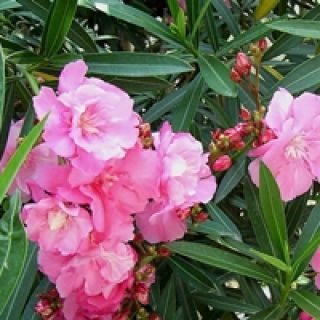
From my perspective as an oleander shrub, pruning is a significant event that I am well-adapted to handle, provided it is done correctly. I store my energy in my stems and foliage, and my primary growth periods are in the spring and summer. The ideal time to prune me is in late winter or early spring, just as I am emerging from my winter dormancy but before I have committed my energy to producing my signature flower buds. Pruning at this time allows me to direct my full regenerative power into producing vigorous, healthy new growth that will bear the season's blossoms. While I can tolerate pruning at other times, avoiding late summer or fall pruning is crucial, as it may encourage tender new growth that will be highly susceptible to frost damage.
Before any cutting begins, you must understand a fundamental aspect of my being: I am toxic. Every part of me—my sap, leaves, stems, and flowers—contains potent cardiac glycosides. This is my natural defense mechanism against herbivores. My sap, in particular, is a sticky, milky substance that can cause severe skin irritation, allergic reactions, and is extremely dangerous if it comes into contact with eyes or mouth. Therefore, it is non-negotiable that you wear thick, protective gloves, long sleeves, long pants, and safety glasses. Never, under any circumstances, burn my clippings, as the smoke is toxic and can cause severe respiratory distress.
Your approach to cutting my branches should be strategic and respectful of my form. Begin by removing the three D's: any dead, damaged, or diseased wood. This helps prevent the spread of decay and allows me to focus my resources on healthy growth. Next, look for any branches that are rubbing against each other, as this friction creates wounds that can become entry points for pests and disease. To encourage a robust, open structure and improve air circulation, selectively prune up to one-third of the oldest and thickest stems all the way down to the base of the plant. This technique, known as renewal pruning, stimulates new growth from my crown. For general shaping, make your cuts at a 45-degree angle approximately 1/4 inch above a leaf node or a set of leaves. This is where my latent buds are, and this is precisely where I will generate new branching.
After a proper pruning session, my response will be vigorous. I will channel the stored energy from my roots into the remaining buds, resulting in a flush of new stems and foliage. This is the point where I am most vulnerable to moisture stress. To support me in this energetic effort, ensure I receive deep, thorough watering, especially if the spring weather is dry. You may also apply a balanced, slow-release fertilizer around my base to provide the necessary nutrients for rebuilding my canopy. Do not be alarmed by my sap oozing from the larger cuts; this is a normal part of my healing process. With the right care, I will quickly recover, becoming bushier, healthier, and prepared to produce a spectacular display of flowers for the season.