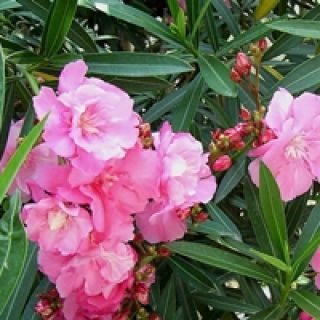
From our perspective as oleander bushes (Nerium oleander), sunlight is not merely beneficial; it is the fundamental currency of our existence. We are sun-loving, thermogenic shrubs, and our entire physiological architecture is engineered to maximize photosynthetic efficiency under intense light. We require a minimum of six to eight hours of direct, unfiltered sunlight each day to thrive. This abundant solar energy powers the photosynthetic process within our chloroplasts, where we convert carbon dioxide and water into the vital carbohydrates that fuel our growth, flowering, and overall metabolic functions. Insufficient sunlight leads to a significant reduction in this energy production, resulting in etiolation (weak, leggy growth), dramatically fewer blooms, and an overall decline in our vigor, making us more susceptible to environmental stressors and pathogens.
Our relationship with water is one of nuanced balance. While we are renowned for our high drought tolerance once established, this does not mean we are immune to the need for hydration. Our water requirements are distinctly segmented into two phases. Upon initial planting, our root systems are underdeveloped and require consistent moisture to expand into the surrounding soil. During this establishment period, deep, regular watering is crucial to encourage strong, deep roots that will later define our resilience. Once mature, our extensive root system allows us to access subsurface water reserves, classifying us as xerophytic. However, for optimal health and prolific flowering, deep, infrequent watering is ideal. This practice encourages our roots to grow downward, seeking moisture and thus stabilizing us further. The key is to allow the soil to dry out thoroughly between watering sessions. Soggy, waterlogged soil is anathema to us, as it suffocates our roots, promotes fatal root rot, and prevents the uptake of essential nutrients.
The interplay between sunlight and water dictates our physiological state. On a typical sunny day, our stomata—microscopic pores primarily on the underside of our long, leathery leaves—open to intake carbon dioxide for photosynthesis. This process, however, leads to transpirational water loss. Our morphological adaptations are critical in managing this balance. Our leaves are thick, coriaceous, and covered with a thick cuticle to minimize water loss. Furthermore, we possess a double palisade layer in our mesophyll, a specialized tissue that maximizes light capture for photosynthesis even under potential water stress. This intricate design allows us to utilize the intense solar energy we crave while conserving our internal water reserves, making us exceptionally well-suited for hot, sunny climates.
An imbalance in either sunlight or water manifests in clear physiological distress signals. Excessive water, particularly in conjunction with inadequate sunlight (shade), will lead to chlorotic (yellowing) leaves, leaf drop, and a complete lack of our characteristic fragrant flowers. It creates a weak, succulent growth that is highly attractive to pests like aphids and scale. Conversely, the combination of intense, scorching sunlight with severely dehydrated soil will cause significant abiotic stress. While we can endure drought, extreme and prolonged water deficit under a blazing sun will lead to leaf scorch (browning and crisping of leaf margins), wilting, and bud drop as a survival mechanism to reduce further water loss.