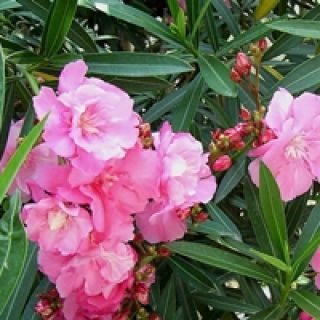
From my perspective as a Nerium oleander, my need for fertilizer is intrinsically tied to my growth cycle. I am a sun-loving, heavy-feeding plant, and my goal is to produce an abundance of vibrant blooms to attract pollinators. My primary growth and flowering season spans from late spring through early fall. During this period of active growth, my metabolic processes are at their peak; I am photosynthesizing vigorously, producing new stems and leaves, and most importantly, channeling immense energy into developing my large flower clusters. This is when I have the highest demand for nutrients, particularly phosphorus (the middle number in fertilizer ratios like 15-30-15), which is crucial for bud formation and blooming. Outside of this active window, during the cooler winter months, I am largely dormant. Feeding me then would be counterproductive, as I cannot process the nutrients, which could lead to fertilizer burn in my roots or a buildup of salts in the soil that harms me.
To support my maximum blooming potential, please align your feeding schedule with my natural cycles. The first application of fertilizer should be in the early spring, just as I begin to show signs of new growth—this is like a wake-up call that provides the initial energy boost for the season ahead. Thereafter, a consistent feeding routine is key. I thrive best when fed every 4 to 6 weeks throughout the active growing season. This regular replenishment of nutrients compensates for what is leached from my soil by watering and what I consume to fuel my spectacular floral displays. It is critical that you cease all fertilization about 6 to 8 weeks before the first expected frost in your area. This allows me to gradually slow down my growth and harden off my new tender shoots before the cold arrives, preventing frost damage that could be exacerbated by a flush of new, soft growth stimulated by late-season feeding.
Choosing the correct type of fertilizer makes a significant difference to my health and flowering capacity. A water-soluble fertilizer with a high phosphorus content, such as a blend labeled 15-30-15, is excellent for promoting blooms. Alternatively, a balanced, slow-release shrub fertilizer can provide a steady, gentle supply of nutrients over a longer period, which is less likely to cause stress. Whichever you choose, the method of application is paramount. Always, always water me thoroughly with plain water before applying any fertilizer solution to my soil. My root system is sensitive, and this pre-moistening prevents the concentrated salts in the fertilizer from burning my delicate root hairs. Apply the diluted fertilizer solution directly to the soil around my root zone, avoiding splashing it onto my leaves and stems, as this can cause foliar burn. A deep watering after feeding can also help move the nutrients down to where my roots can access them.