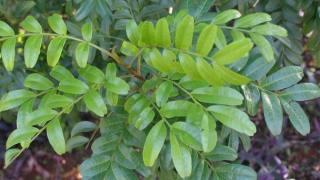
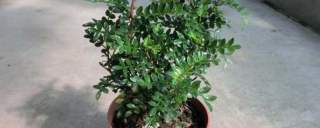
Pistacia weinmannifolia, a deciduous shrub or small tree within the Anacardiaceae family, exhibits a fascinating and complex reproductive strategy. From the plant's perspective, its blooming and fruiting habits are a finely tuned adaptation to its environment, ensuring survival and propagation through a combination of dioecy, anemophily, and strategic resource allocation.
As a dioecious species, individual P. weinmannifolia plants are strictly either male or female. This fundamental separation means a single plant cannot self-pollinate. From the male plant's perspective, its sole reproductive function is to produce vast quantities of pollen to increase the probability of reaching a distant, receptive female. For the female plant, its role is to receive pollen, develop seeds, and invest significant energy into producing the fruits that will eventually disperse those seeds. This system promotes outcrossing and genetic diversity, strengthening the population's resilience against environmental changes and pathogens.
The flowering period typically occurs from April to May, coinciding with the emergence of new leaves. The plant's inflorescences are panicles that arise from the leaf axils of the current year's growth.
From the male plant's viewpoint, blooming is an explosive event of expenditure. It produces dense, showy clusters of apetalous (lacking petals) flowers. Each tiny flower is essentially a pollen factory, comprised of stamens that dehisce to release a massive cloud of lightweight, dry pollen grains. The plant invests minimal resources in structures to attract pollinators, instead relying on the wind (anemophily) to carry its genetic material away.
Conversely, the female plant's bloom is a quiet event of reception. Its inflorescences are more open and loose, bearing flowers that consist primarily of a prominent, typically red, tripartite stigma seated atop a superior ovary. The stigma is feathery and highly adapted to capture wind-borne pollen from the air. There is no nectar or scent production, as attracting animal pollinators is unnecessary. The female's strategy is one of efficient capture and selection.
Following successful wind pollination, the female flower's ovary begins its transformation. The critical process of fertilization occurs, initiating fruit development. From the plant's perspective, this is the most energy-intensive phase of its annual cycle. Resources are mobilized to nourish the growing seeds and to build the surrounding fruit structure, the pericarp. The initial fruit is small and green, camouflaging it from potential herbivores during its vulnerable early development.
The fruit of P. weinmannifolia is a small, globose drupe. As it matures from July to September, it undergoes a significant color change, turning from green to a conspicuous red and finally to a purplish-blue or black at full maturity. This color shift is a key dispersal strategy from the plant's point of view. The bright red may act as a warning of unpalatability (as the plant contains compounds like tannins), while the dark, ripe colour and fleshy mesocarp are attractive to birds and other frugivores. By being consumed, the seeds within the hard endocarp (stone) are ingested and later dispersed away from the parent plant, thus reducing competition and colonizing new areas. This animal-mediated dispersal ensures the species' propagation across its rocky limestone habitat.