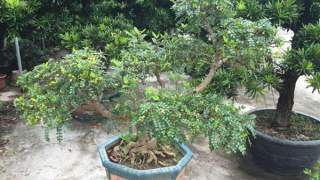
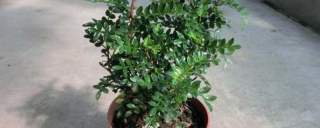
As a photosynthetic organism, my very existence is predicated on the conversion of sunlight into chemical energy. The question is not *if* I need sun, but *how much* is optimal for my specific physiology. I, Pistacia weinmannifolia, am a sun-loving species, a trait deeply encoded in my genetic makeup. My leaves are my solar panels, and my internal systems are fine-tuned to operate at peak efficiency under abundant light. Without sufficient solar radiation, my photosynthetic processes slow, leading to reduced vigor, sparse foliage, and a compromised ability to produce the nutrients and energy required for growth, defense, and reproduction. I fundamentally require a high-light environment to express my true potential.
To thrive, I require what humans term "full sun." This translates to a minimum of six hours of direct, unfiltered sunlight each day, though I will gratefully accept and utilize more. In my native habitat, often on sunny, well-drained slopes and in open woodlands, I am accustomed to bathing in sunlight from dawn until dusk. This intense exposure allows my photosynthetic machinery to operate at maximum capacity, fueling the development of a strong, woody structure and a dense, healthy canopy. The ample energy reserves also support the production of secondary metabolites that enhance my resilience against pests and diseases. Insufficient light, such as that found in heavy shade, forces me to become "leggy," as I stretch my branches unnaturally in a desperate search for photons, resulting in weak growth and poor form.
While I am a sun-worshipper, my relationship with light is not without its boundaries. The primary consequence of insufficient light is etiolation and energy starvation. My growth becomes spindly, my internodes elongate abnormally, and my leaf production diminishes significantly. I become a weakened version of myself, susceptible to environmental stresses and unable to flower or fruit properly.
Conversely, the concept of "too much sun" for me is less about the duration of light exposure and more about its associated abiotic factors. In extremely hot, arid environments where solar radiation is intense and relentless, the primary risk is photoinhibition—a state where my photosynthetic apparatus becomes damaged by an overload of light energy. This is almost always coupled with extreme heat and water stress. In such conditions, my leaves may exhibit signs of scorching, such as browning or yellowing at the margins. However, this is typically a symptom of a root system unable to supply enough water to cool my leaves through transpiration, rather than the sunlight itself being inherently excessive.
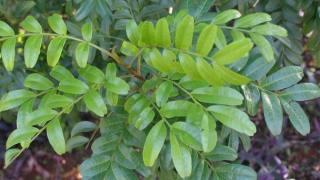
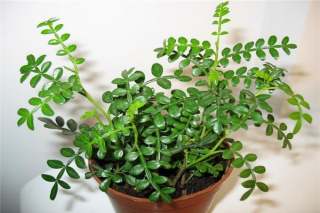
I have evolved several clever adaptations to manage my high-light requirements efficiently. My small, pinnately compound leaves present a reduced surface area to the intense midday sun, helping to minimize water loss through transpiration. I can also make minor adjustments to the orientation of my leaflets to avoid the harshest rays. Furthermore, my cellular structure is equipped with protective pigments and antioxidants that help dissipate excess light energy as heat, preventing damage to my chloroplasts. This sophisticated system allows me to harness the powerful energy of full sun while mitigating potential collateral damage, making me exceptionally well-suited for a life in the bright, open spaces I call home.