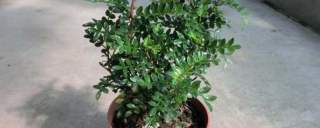
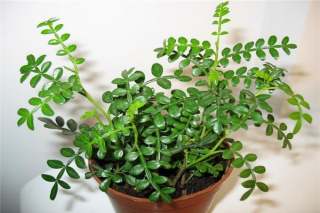
Selecting a healthy and suitable Pistacia weinmannifolia (often called Chinese Pistache, though distinct from P. chinensis) requires a keen eye for the plant's specific characteristics. Here is a detailed guide from the plant's perspective on what to look for.
Your first assessment should be of the plant's general condition. Look for a specimen with vibrant, robust growth. The foliage should appear lively and not wilted, even if the nursery is watering it regularly. Avoid plants with signs of significant stress, such as a high percentage of yellowing or browning leaves, which can indicate root problems, disease, or inadequate care. The plant should look well-established in its container, not recently or poorly potted.
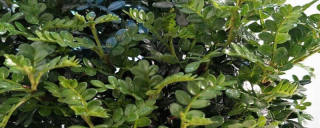
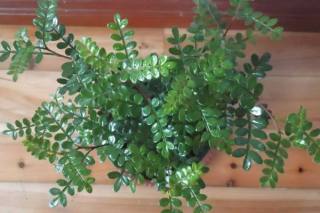
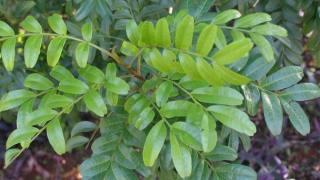
Examine the leaves closely. Pistacia weinmannifolia has pinnately compound leaves that are typically a rich green. Check the undersides of the leaves for any signs of pests like aphids, scale, or spider mites, which may appear as small bumps, webbing, or sticky residue (honeydew). Also, look for any spots, lesions, or unusual patterns on the leaves that could indicate fungal or bacterial diseases. The leaves should be firm and turgid, not limp or desiccated.
The health of the root system is paramount. If possible, gently slide the plant out of its nursery pot to inspect the roots (ask staff for permission first). Healthy roots are typically white or light tan and firm to the touch. Be wary of plants with roots that are dark brown, black, mushy, or emit a foul odor, as this is a sign of root rot. Also, avoid plants that are severely root-bound, where a dense mat of roots is circling tightly around the outside of the root ball. A few circling roots are manageable, but a heavily bound root system can lead to future growth problems.
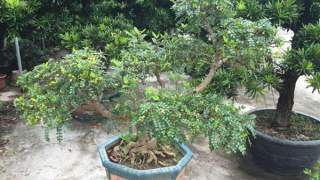
Analyze the plant's form and branching habit. Look for a plant with a strong, central leader (a main upward-growing stem) and well-spaced lateral branches. This promotes a strong structure as the tree matures. Avoid plants with crossed, rubbing, or damaged branches, as these can create wounds that are entry points for disease. Check the bark on the main stem and branches for any cracks, cankers, or signs of physical damage. The stems should be flexible and not brittle.
For a young tree, examine the base of the trunk. It should be free of any significant wounds or girdling ties from a stake. If the Pistacia weinmannifolia is a grafted cultivar, which is common to ensure specific characteristics, locate the graft union. This is usually a slight swelling or change in bark texture a few inches above the soil line. Ensure this union is well-healed, with no cracks or open wounds, and that there is no sprouting (suckering) from the rootstock below it.