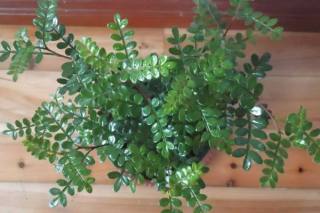
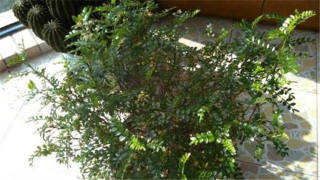
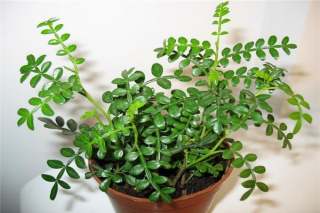
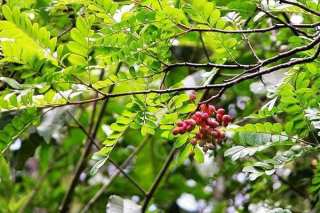
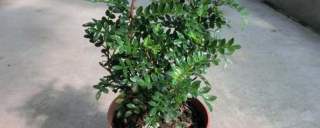
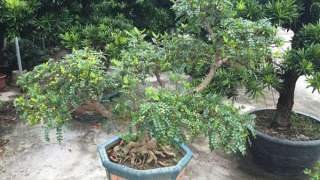
From my perspective as a Pistacia weinmannifolia, my relationship with the soil is fundamental. I possess a deep and extensive root system, evolved to seek out water and nutrients in often rocky, well-drained soils. While I am naturally adapted to leaner conditions, cultivation in a garden setting, often far from my native Himalayan foothills, can present challenges. The soil may lack specific micronutrients, or its pH might not be ideal for optimal nutrient uptake. Therefore, a thoughtful fertilization regimen is not about force-feeding me, but about supplementing the soil to complement my natural foraging abilities, ensuring I have access to a complete nutritional profile to express my full potential in your landscape.
My nutritional needs are balanced. The primary macronutrients—Nitrogen (N), Phosphorus (P), and Potassium (K)—each play a distinct and crucial role in my life cycle. Nitrogen is the engine for my lush, pinnate green foliage and strong seasonal growth. Phosphorus is vital for the development of my extensive root network and aids in overall energy transfer within my system. Potassium contributes to my general vigor, enhancing my cellular functions and improving my resilience against temperature fluctuations and potential diseases. I also require a suite of micronutrients, like iron and zinc, which are critical for chlorophyll production and enzyme functions, even though I need them in only trace amounts.
My internal rhythms are dictated by the seasons, and fertilization should be synchronized with this cycle to be most effective and avoid causing me stress.
Early Spring (As New Growth Emerges): This is the most critical time to feed me. As I break dormancy and my sap begins to flow, I have a high demand for nutrients to support a flush of new leaves and stems. A balanced, slow-release fertilizer (e.g., an 10-10-10 or 12-12-12 formula) applied as new buds swell provides a steady supply of nourishment throughout my primary growth period.
Early Summer (Post-Bloom): A second, lighter application can be beneficial to support the energy expended in flowering and to sustain me through the heat of the summer. However, this is optional and should be skipped if my growth is already robust and the soil is fertile.
Late Summer and Fall: You must cease fertilization. Applying fertilizer at this time stimulates tender new growth that will not have time to harden off before the first frost. This vulnerable tissue is highly susceptible to winter damage, which can weaken me significantly.
How you feed me is as important as what and when. I am sensitive to over-fertilization, which can cause fertilizer burn to my roots, lead to excessive but weak growth, and make me more attractive to pests like aphids. Always water the soil thoroughly before and after applying fertilizer to help dissolve the nutrients and transport them to my root zone, preventing root shock. The fertilizer should be spread evenly under my canopy, starting a few inches from my trunk and extending out to my drip line (the area directly under the outer circumference of my branches), which is where my most active feeder roots are located. A layer of organic mulch over my root zone will gradually decompose, supplementing your fertilization efforts by gently adding organic matter and improving soil structure.