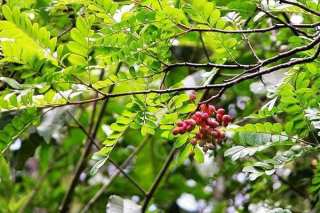
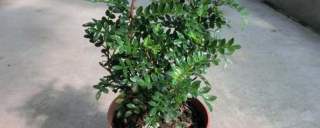
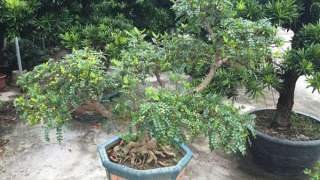
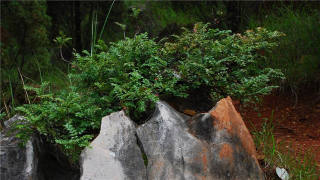
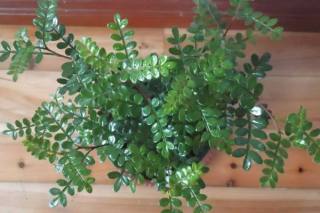
From a botanical perspective, Pistacia weinmannifolia is indeed highly drought-tolerant. This species, a member of the Anacardiaceae family, has evolved a suite of physiological and morphological adaptations to thrive in arid and semi-arid environments, often in its native habitats of rocky slopes and gorges in southwestern China and adjacent regions. Its primary strategy is deep rooting, where a robust taproot system delves deep into the soil profile to access subsurface water reserves that are unavailable to more shallow-rooted plants. This allows the plant to remain hydrated even when the surface soil is completely dry.
The plant's drought resilience is further enhanced by its leaf morphology. The leaves are typically small, pinnately compound, and have a thick, almost leathery (coriaceous) texture with a glossy surface. These characteristics are crucial for reducing water loss. The small leaf surface area minimizes the total area for transpiration, while the thick cuticle and waxy gloss act as a physical barrier, slowing down evaporative water loss. Furthermore, the plant can exhibit a degree of leaf wilting or drop during periods of extreme water stress as a survival mechanism, reducing its metabolic demands until water becomes available again. Its growth habit is also typically slow to moderate, which is a common trait among drought-adapted species, as it conserves resources.
For successful cultivation in various US climates, the watering strategy must pivot sharply after the initial establishment phase. Immediately after planting, whether in USDA zones 7-9, the plant requires consistent and deep watering. The goal is to encourage the rapid development of its deep root system. This initial period requires watering deeply 1-2 times per week for the first full growing season, ensuring moisture penetrates far into the root zone. The soil should be allowed to dry out slightly between waterings to prevent root rot but not to the point of causing severe stress to the young plant.
Once established, which typically takes one to two growing seasons, Pistacia weinmannifolia requires minimal supplemental irrigation. It is perfectly suited to xeriscaping and water-wise gardens. In most US climates, a mature plant will survive on natural rainfall alone. During periods of extended, exceptional drought (e.g., over a month with no precipitation and extreme heat), a deep, thorough soaking every 3-4 weeks is more than sufficient. The key is deep, infrequent watering that mimics a natural heavy rainstorm, which encourages roots to grow downward. Shallow, frequent sprinkling is detrimental as it promotes weak surface roots that are vulnerable to heat and drought.
The most critical factor for the health of Pistacia weinmannifolia, even more so than a specific watering schedule, is exceptionally well-drained soil. This plant is exceptionally susceptible to root rot and fungal diseases in heavy, waterlogged, or clay-rich soils. It thrives in rocky, sandy, or gravelly soils that provide sharp drainage. In gardens with heavier soil, amending the planting site generously with sand, gravel, and organic matter to improve drainage is non-negotiable. Planting on a raised mound or berm can also be an effective strategy to ensure water flows away from the root crown, preventing fatal saturation.