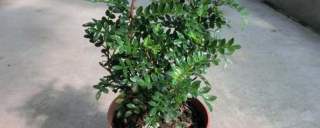
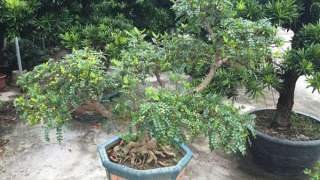
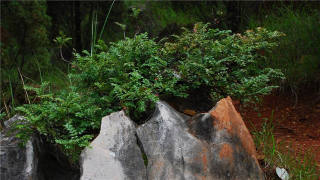
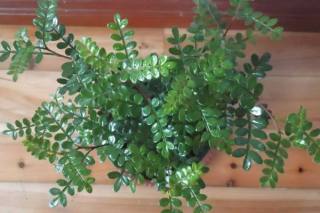
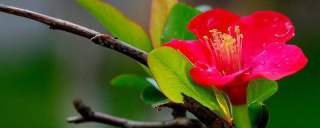
Pistacia weinmannifolia, a resilient member of the Anacardiaceae family, faces numerous biotic stressors that threaten its vitality. Understanding these threats from the plant's physiological perspective is key to implementing effective treatments that support its natural defenses.
From our perspective, sap-sucking insects are a primary concern. Aphids and scale insects pierce our phloem tissues with their stylets, draining our vital sap. This directly reduces the carbohydrates available for our growth and fruit production. The honeydew they excrete is more than just a nuisance; it fosters the growth of sooty mold, which coats our leaves and impedes photosynthesis by blocking sunlight. Another significant threat comes from leafrollers and caterpillars. These pests do not merely create cosmetic damage; they consume our leaf mesophyll, the very tissue where photosynthesis occurs. This reduces our capacity to produce energy, leading to stunted growth and a weakened state.
Fungal pathogens thrive in conditions that are often detrimental to our root and leaf functions. Powdery mildew appears as a white, powdery coating on our leaf surfaces. This fungus parasitizes us, drawing nutrients directly from our epidermal cells and, more critically, hindering gas exchange and light penetration through the stomata and leaf surface. Root rot, often caused by pathogens like Phytophthora or Fusarium, is a grave threat that begins unseen. It attacks our root system, destroying the root hairs and cortex responsible for water and nutrient uptake. From our viewpoint, this is a systemic crisis, leading to wilting, chlorosis (yellowing leaves), and ultimately, collapse as the vascular system is compromised.
Bacterial canker presents as sunken, oozing lesions on our bark and stems. The bacteria invade through wounds, multiplying within our vascular tissues and disrupting the flow of water and nutrients. This creates localized die-back and can girdle and kill branches. Furthermore, we are highly susceptible to environmental stresses like waterlogged soil. Saturated conditions suffocate our roots by depriving them of oxygen, leading to anaerobic conditions that are toxic and cause root cells to die. This physiological damage mimics disease and creates an entry point for secondary fungal and bacterial infections.
The most effective strategy is to support our innate strength. Ensure we are planted in well-draining soil and receive appropriate sunlight to promote vigorous growth. For insect pests like aphids, a strong jet of water can physically dislodge them, while horticultural oils can suffocate scale insects by blocking their spiracles. For caterpillars, the microbial insecticide Bacillus thuringiensis (Bt) is highly effective and minimally disruptive to our ecosystem. For fungal issues like powdery mildew, improve air circulation around our canopy and avoid overhead watering to reduce leaf wetness. Apply sulfur-based or other organic fungicides as a protective measure. For root rot, the primary action is cultural: correct drainage issues immediately and avoid soil compaction. There are no effective chemical cures once this disease is advanced. For bacterial canker, prune out infected branches well below the canker, sterilizing tools between cuts to prevent spread.