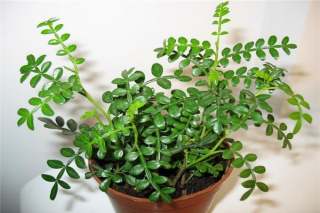
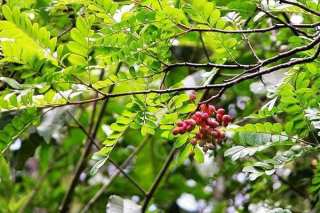
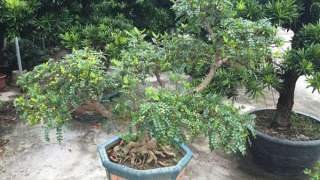
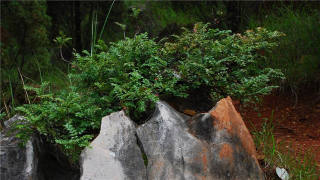
From the perspective of the Pistacia weinmannifolia itself, timing is everything. This tree, like many woody perennials, operates on a distinct annual growth cycle governed by energy storage and expenditure. The optimal time for major pruning is during its dormant period, typically in late winter to early spring, just before the burst of new growth. At this time, the tree's energy is concentrated in its roots and core structures, not in its leaves or new shoots. A pruning cut made then will cause the least amount of physiological stress, as the tree is not actively growing. The imminent arrival of spring allows the plant to rapidly compartmentalize the wound and direct its stored energy into producing strong, healthy new growth at the desired pruning points.
Pruning is not an arbitrary event but should mimic natural processes that benefit the plant. For a Pistacia weinmannifolia, the goals are to improve its structure and long-term health. This involves removing dead, diseased, or damaged branches, which are drains on the plant's resources and potential entry points for pathogens. Thinning the canopy to improve air circulation and light penetration is also crucial. From the plant's viewpoint, better airflow reduces the humidity that fosters fungal diseases, while increased sunlight reaches the inner leaves, boosting photosynthetic efficiency and the overall energy production of the tree. This results in a more resilient and vigorous specimen.
The technique used is critical to the tree's ability to heal. Always use sharp, sterilized tools to make clean cuts that minimize tearing and the introduction of infection. The fundamental rule is to make cuts just outside the branch collar—the slightly swollen area where the branch connects to the trunk or a larger limb. This collar contains specialized cells that facilitate rapid sealing and compartmentalization of the wound. Do not cut flush with the trunk, as this removes the collar and severely hampers the tree's natural defense system, leaving it vulnerable to decay. For larger limbs, use the three-cut method to prevent the weight of the branch from tearing the bark down the trunk, which would create a massive, unnecessary wound.
Certain actions are highly detrimental from the plant's perspective. Avoid heavy "topping" or shearing the tree into an unnatural shape. This practice removes vast amounts of energy-producing foliage and triggers a panicked, unsustainable surge of weak, poorly attached water sprouts. These new shoots are vulnerable to breakage and pests, destabilizing the tree's structure. Furthermore, excessive pruning during the active growing season (late spring through summer) is ill-advised. This is when the tree has invested its energy into leaf and shoot production; removing it wastes those resources and creates open wounds when the tree is most susceptible to sap loss and pest infestation, significantly weakening it.