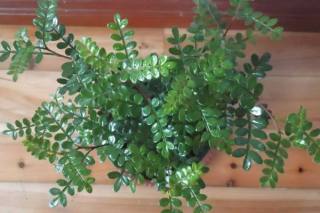
Greetings from the Pistacia weinmannifolia! We are a species of evergreen shrub or small tree, known for our elegant, pinnate leaves and resilience. While our origins lie in the hills and valleys of China and Southeast Asia, we can indeed thrive in the United States with the right understanding and care. Here is what we need to flourish.
We are naturally adapted to a specific range of conditions. In the US, we are best suited for USDA Hardiness Zones 8 through 10. We can tolerate brief cold snaps down to about 15-20°F (-9 to -6°C), but we are not fans of prolonged freezing temperatures or heavy, wet snow that can damage our branches. We adore the heat and full, unfiltered sunlight. The more sun we receive, the happier and more dense our canopy becomes. Think of the warm, sunny climates of parts of California, Texas, Arizona, and Florida.
The most critical factor for our well-being is excellent drainage. Our roots are highly susceptible to rot if left sitting in waterlogged soil. We prefer a lean, sandy, or gravelly loam that is slightly alkaline to neutral in pH. If your native soil is heavy clay, you must amend it generously with sand, gravel, and organic matter or, better yet, plant us in a raised bed or on a slope. We are remarkably drought-tolerant once established and actually prefer to be on the drier side rather than too wet.
When we are young and newly planted, we will need regular watering to help our root system establish itself. Water us deeply but infrequently, allowing the soil to dry out completely between waterings. Once mature, we are incredibly xeric and will require very little supplemental water, relying solely on rainfall in many regions. As for food, we are not heavy feeders. A light application of a balanced, slow-release fertilizer in early spring is more than sufficient. Over-fertilizing can lead to excessive, weak growth.
We naturally develop a attractive, rounded form with a multi-trunked habit. Pruning is generally not necessary for our health but can be done for aesthetic reasons or to remove any damaged or crossing branches. The best time to perform any shaping is in late winter or early spring before new growth emerges. We respond well to pruning and can even be trained into a small, single-trunked tree if desired.
Fortunately, we are a robust species with few serious pest or disease problems. Our main issue, as emphasized, is root rot from poor drainage. In terms of pests, we are occasionally visited by aphids or scale insects, but these are rarely a significant threat and are often managed by natural predators. Our aromatic foliage is generally unappealing to deer, making us a excellent choice for landscapes in areas with high deer pressure.