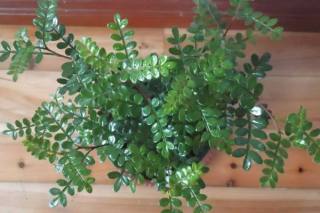
I am Pistacia weinmannifolia, a resilient and elegant shrub or small tree hailing from the rocky slopes and open woodlands of Southwest China and surrounding regions. My very essence is shaped by a climate of distinct seasons—warm, sunny summers and cool, drier winters. To truly help me thrive in your US garden, you must replicate these conditions. I crave a location with full, unfiltered sunlight for the majority of the day. My roots are absolutely intolerant of poor drainage; they demand sharply draining soil. Sandy or gravelly loam is my perfect bed, as it prevents water from pooling around my root crown, which would spell my demise. I am remarkably drought-tolerant once established, but I wither in soggy, heavy clay soils.
The best time to introduce me to your garden is in the early spring, just as I am emerging from my winter dormancy. This gives my root system an entire growing season to establish itself before the challenges of winter. Dig a hole that is two to three times wider than my root ball, but no deeper. This encourages my roots to spread horizontally. Gently place me in the hole, ensuring I am sitting at the same soil level as I was in my nursery container. Backfill the hole with the native soil, perhaps amended with some gravel or sand if it is excessively heavy. Tamp the soil down gently to remove large air pockets, and then provide me with a deep, thorough watering to settle the earth around my roots.
My watering needs are modest. During my first growing season, please provide me with consistent, deep watering every 7-10 days to help my roots grow strong and delve deep into the earth. After I am established, I am highly self-sufficient. I will only require supplemental watering during periods of extreme, prolonged drought. Overwatering is a far greater threat to me than neglect. As for food, I am not a heavy feeder. A light application of a balanced, slow-release fertilizer in the early spring is more than sufficient. Excessive nitrogen can promote weak, leggy growth that is susceptible to pests, so a minimalist approach is best.
My natural form is quite attractive, so I require very little pruning. Any necessary shaping or removal of dead, damaged, or diseased branches should be done in the late winter while I am still dormant. This minimizes stress and prevents the loss of sap. I am deciduous, so expect my beautiful, pinnate leaves to put on a show of brilliant red or yellow in the autumn before they drop. My hardiness is generally rated for USDA zones 6-9. In the colder reaches of zone 6, a young me would appreciate a thick layer of mulch around my base to protect my roots from freeze-thaw cycles. As I mature, my cold tolerance significantly improves.