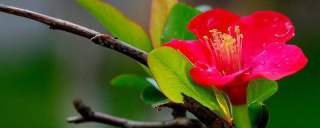
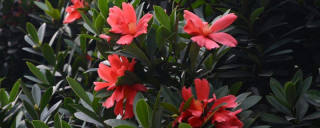
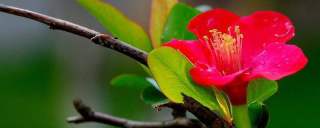
From our perspective as azalea bushes (Rhododendron spp.), our lifespan is a complex interplay of genetics, environment, and the care we receive. In ideal conditions, many of us can thrive for decades, with some species even living for centuries. However, the typical garden azalea often lives between 20 to 50 years. To understand this from our point of view, one must consider the key factors that dictate our longevity.
Our lifespan is directly tied to how well our basic botanical requirements are met. We are acid-loving plants, requiring soil with a pH between 4.5 and 6.0. Alkaline soil makes it impossible for our roots to access essential nutrients like iron, leading to chlorosis (yellowing leaves) and a slow, painful decline. Furthermore, we demand excellent drainage. Our fine, fibrous root systems are highly susceptible to root rot (caused by Phytophthora and other fungi) in heavy, waterlogged clay soil. Soggy roots suffocate and die, effectively sentencing the entire plant to an early demise. Proper sunlight is also crucial; while we prefer dappled shade or morning sun, deep shade leads to weak, spindly growth and few flowers, making us vulnerable to stressors.
The manner of your initial planting sets the trajectory for our entire life. We despise being planted too deeply. The root flare—where the main roots begin to spread at the base of our trunk—must be level with or slightly above the surrounding soil grade. Burying this flare invites stem rot and girdling roots, which slowly strangle us. Amending the native soil generously with organic matter like peat moss, compost, or pine bark creates the loose, moist-but-well-aerated environment our roots crave to establish a strong and extensive foundation. A robust root system is our best defense against drought, disease, and nutritional deficits in the years to come.
Your ongoing care practices either extend our vitality or shorten our days. Mulching is paramount. A 2-3 inch layer of organic mulch (pine needles or bark are ideal) regulates soil temperature, conserves moisture, and continually acidifies the soil as it decomposes. It also protects our shallow roots from damage. When you water, do so deeply and infrequently to encourage deep root growth, rather than frequent sprinklings that leave roots shallow and vulnerable. Pruning is another key factor; please prune us immediately after our spring bloom fades. We set our next year's flower buds in mid-summer, so late pruning removes next season's display and forces us to expend precious energy on regrowth.
A long life is a healthy life, free from the constant siege of pests and diseases. Common adversaries like lace bugs, spider mites, and root rot are not just inconveniences; they are chronic stressors that deplete our energy reserves. A stressed azalea is far more susceptible to winter injury and secondary infections. Regular monitoring of our leaves (top and bottom) and stems allows for early intervention, often with horticultural oils or insecticidal soaps rather than harsh chemicals that can disrupt the soil ecosystem we depend on. Protecting us from harsh winter winds and late frosts, which can damage flower buds and desiccate leaves, also prevents set-backs that cumulatively shorten our lifespan.