Carbon, hydrogen and oxygen (obtained in air and water) < /O: P > )
Nitrogen, phosphorus, potassium, sulfur, calcium and magnesium
Iron, boron, zinc, copper, manganese, molybdenum and chlorine
Fertilizer formed by processing, fermentation and maturity of animal and plant residues or excreta. Organic fertilizer has complete nutrient elements for flowers and plants. After being applied into the soil, the nutrients gradually decompose. Although the effect is slow, the fertilizer effect is long, and it can improve the soil. It has beneficial root system development and beneficial bacteria activities in the soil.
Commonly used organic fertilizers include: animal manure, fish meal, bone meal, plant ash, various cake fertilizer and sesame oil residue, etc.
Fertilizer made by chemical process or natural mineral processing. The utility model has the advantages of high nutrient content, quick effect, convenient use, clean and sanitary, but the nutrient composition is single, and the soil is easy to harden after long-term use.
Commonly used are: urea, ammonium sulfate, nitrates, potassium dihydrogen phosphate, potassium chloride, potassium nitrate and so on. As well as processed compound fertilizer containing nitrogen, phosphorus and potassium.
Make use of the yard to shade the corner and control the pit, and pile up and retch the vegetable leaves, bean shells, claw peel, herbal residue, egg shells, shrimp and crab shells, poultry feathers, fish scales, fish offal and weeds, leaves, etc. which are left in daily life. In order to prevent the odor from overflowing, they can be covered with mud or plastic film.
The waste plastic bottles, such as Coke bottles and blending oil bottles, are used as containers to inject fish scales, fish dirt, eel, shrimp shells and other animals' feet, which are fermented and ripened to make high-quality liquid quick acting fertilizer, and can also be soaked and retted with bad soybeans.
① the injection volume of fish's lower foot is about 1 /2 ~ 2 /3 of the bottle capacity. Add water close to the mouth of the bottle (a certain gap should be left).
② in order to reduce the stink of fertilizer fermentation, a part of orange degree can be put at the same time. Generally, a 2.5L blending oil bottle can put 3-4 orange peel. Peel the orange peel into pieces or cut it down. Can use fresh orange peel, also can use air dried orange peel.
③ after the preparation and matching, the cap must be tightened and then back 2-3 teeth to leave the air gap, otherwise, it is easy to cause the fermentation in the bottle and the gas expansion to rush out of the cap, resulting in the unbearable consequences of odor overflowing.
④ it takes 4-5 months to ferment the bottled organic fertilizer in summer. Generally, it will ripen after one year or so, and the solution can be watered by water dilution.
Green silkworm pods are rich in nitrogen, phosphorus and potassium nutrients, which are easy to collect in cities, clean and sanitary. During the preparation, pods can be dried and ground for storage. When making potted culture soil, it can be mixed into the use, and can also be used as base fertilizer when potted flowers are turned over and planted.
Base fertilizer
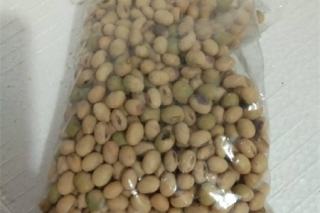
It mainly uses the organic fertilizer with slow decomposition and long fertilizer effect. It can be used in the annual growth period of flowers. For garden flower cultivation, in winter or early spring, deep burying shall be conducted around the main flowers and trees, or at the same time when the soil is ploughed before planting. Potted flowers, mixed in for soil preparation, or applied to the bottom of the pot before planting. The commonly used base fertilizers include compost made from animal and plant residues, dry manure of livestock and livestock, and crumbs of rotten cake fertilizer, etc. The oil residue after the oil is discharged from the sesame oil can be used in the city, which has a good fertilizer effect. It can also be used to stir fry or boil soybeans and inject them into the middle and lower layers of potted flowers to supplement the base fertilizer.
Top dressing
The application of inorganic fertilizer, which can be quickly absorbed and utilized by flowers, or the lixivium after fermentation of organic fertilizer, can be added when needed in each stage of flower growth and development. Commonly used are urea, potassium dihydrogen phosphate, etc.
Foliar fertilization
It is also known as root top dressing, which can spray the plant after dissolving the water with chemical fertilizer, so that the nutrients can penetrate into the plant body at the back of the leaf, and it has the characteristics of convenient operation and quick effect. Attention shall be paid during application: the concentration of fertilizer shall be controlled at 0.1-0.2%, which is too thick to cause damage to plants; for the flowers planted on balcony and in the open air, the time for spraying fertilizer shall be in the evening, so as to prevent the sun exposure after fertilization, and increase the concentration of fertilizer to cause fertilizer damage. The position of spraying should pay attention to the back of leaves.
Suitable flower
More nitrogen fertilizer for foliage plants, more phosphorus and potassium for fruit and flower plants.
In time
During branching and leaf drawing, nitrogen fertilizer is dominant, flower bud differentiation, flower bud formation, pre flowering, phosphorus and potassium fertilizer are dominant.
Fitness - "four more, four less, four not"
Yellow and thin, pre germination, pre bud and post flower.
Less application in the period of germination, less application in the period of flowering and less application in the rainy season.
No new planting, no excessive growth, no disease, no summer.
appropriate amount
7-8 phr water and 2-3 phr fertilizer are used for organic fertilizer, and 0.1-0.3% concentration is used for chemical fertilizer.
Frequently apply .
The growth period is 7-10 days.
Do not use concentrated fertilizer, which will cause cell exudation and death.
Avoid heat and fertilizer. The soil temperature is high at noon in summer. Top dressing will damage the root.
Avoid sitting on fertilizer. After applying base fertilizer to the bottom of potted flower, cover it with a thin layer of soil first.
Do not plant flowers with roots directly on fertilizer.