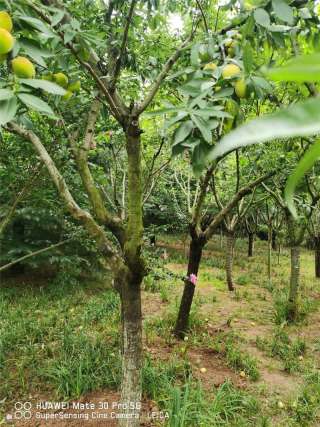
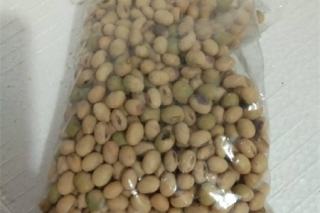
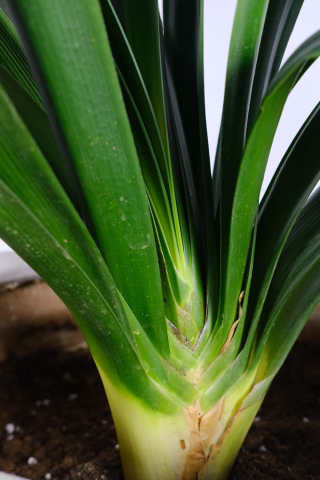
A piece of cultivated capsaicin, glass bottle, wide mouth bottle, glass beaker and other containers, clean water (if it's tap water, it's better to use it after a day's sedimentation), small stones such as ceramsite, pebble, perlite and nutrient solution
Gently take the prepared capsaicin out of the soil, carefully wash the soil on the root system with clean water, and dispose of the rotten root, dead root and blackened root on the root system.
Then present the prepared container with the water that should have been prepared for a long time, put in the capsaicin, and fix the root system of capsaicin with small stones such as ceramsite, pebble, perlite, etc.
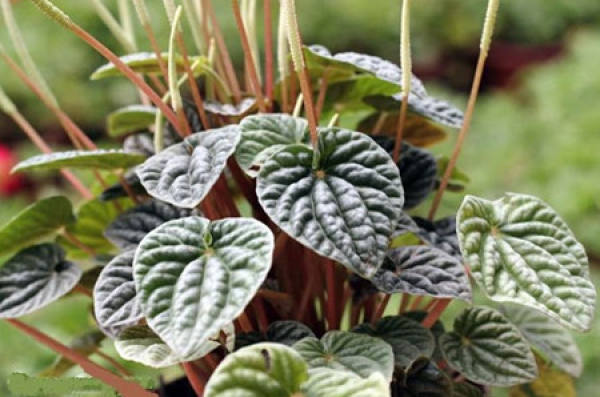
At ordinary times, it is suitable to add nutrition to capsaicin with foliar nutrition solution. In spring and summer, add foliage plant nutrient solution once a half month.
The requirement of fertilizer for capsaicin is not high, it needs to be diluted 5-10 times before use, and then added appropriately according to the size of hydroponic container. In addition, if you can't be sure if you put too much, you can see the leaves of capsaicin. If you have too much nutrition, the leaves will turn green.
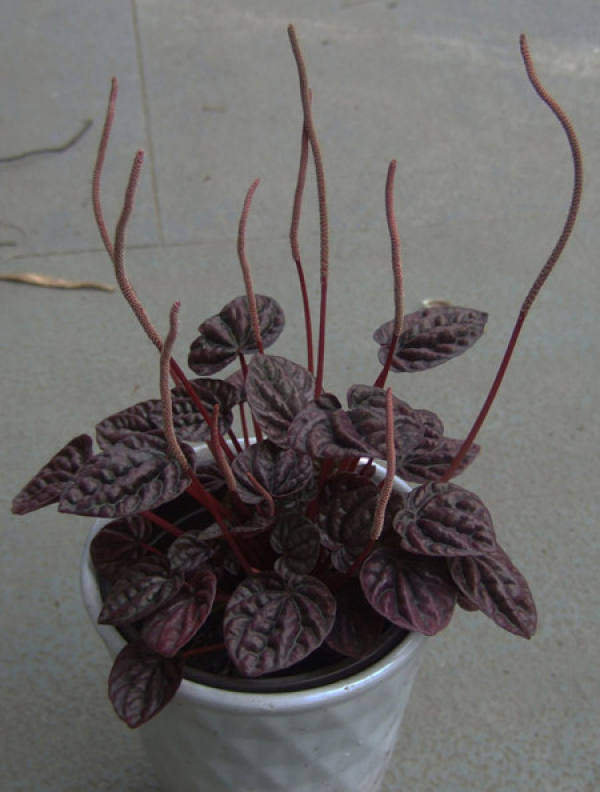
Once it is found that there is moss in the water of cultured capsaicin, it should be cleaned up in time. When changing water for capsaicin, remember to clear the container by the way to avoid the appearance of moss. Because the moss and the roots of capsaicin rush for oxygen, serious even cause capsaicin rotten roots.
From April to September: 16 ℃ ~ 24 ℃; from September to next April: 13 ℃ ~ 18 ℃. The lowest temperature in winter is over 10 ℃. Room temperature above 30 ℃ or below 10 ℃ is very harmful to the growth of capsaicin.
We should put capsaicin in a half shade environment to grow healthily. We must not expose it to the sun in summer. But it can't be said that capsaicin leaves are put in a very dark hiding place, which will make the leaves of capsaicin lose luster.