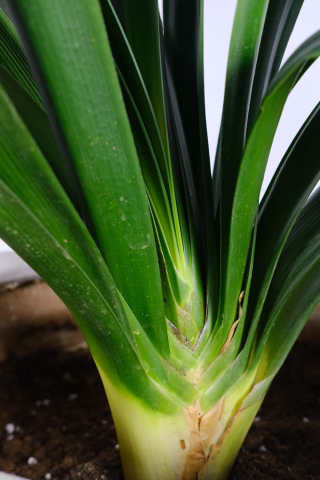
1. Temperature: the temperature suitable for its growth is about 20 degrees. After the temperature exceeds 25 degrees, it needs to be cooled. Generally, it needs to be cooled by fan or high-pressure water mist system. If the temperature is lower than 10 degrees, it needs to be warmed and moisturized to avoid freezing.
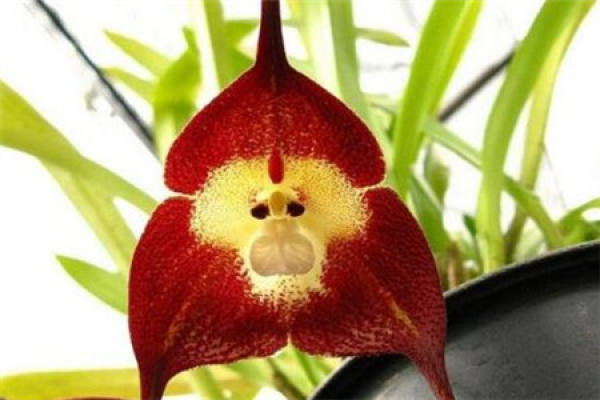
2. Watering: the environment in which it grows should be kept dry. The humidity should be 50%. If the humidity is too high, the plant is easy to infect germs. If the humidity is more than 70%, ventilation is needed to avoid the plant being infected by germs.
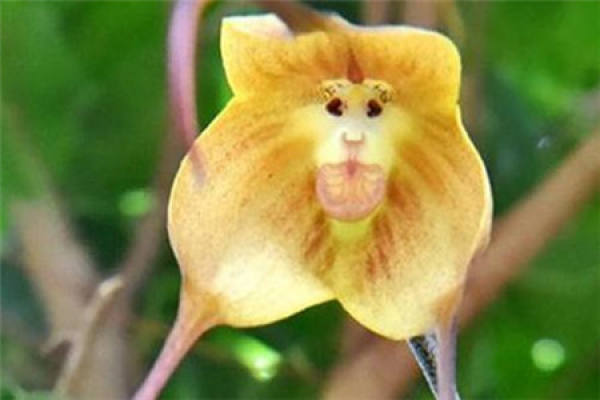
3. Fertilization: it needs very little nutrients, but in the growth period, it will increase the fertilizer consumption. It needs to be fertilized every two weeks, and other times, it does not need to be fertilized. Fertilizer to choose more moderate fertilizer, such as animal manure, farmyard retting, etc.
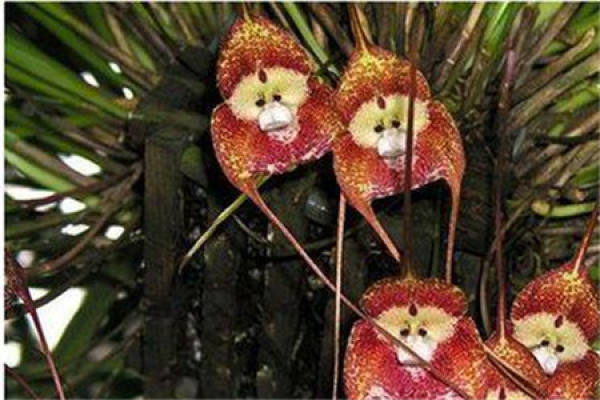
4. Light: it doesn't need strong light, and astigmatism can meet its needs. The daily light amount can't exceed six hours, and the light time can be increased appropriately in autumn and winter, because the light in these two seasons is relatively mild, which can extend the time of the sun
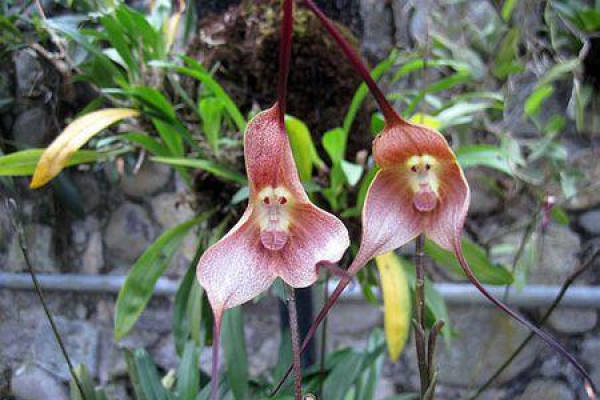
1. Reproduction: it can be propagated by sowing. It can self pollinate, but seeds are easy to scatter, so seeds need to be collected. Its seeds are very small, so it can use flat plate to raise seedlings. Without covering the seeds with soil, it can grow seedlings in a month. After emergence, no need to water, just keep the soil slightly wet, the purpose of this is to help plant development, when the seedlings grow to 10 cm, they can be transplanted.
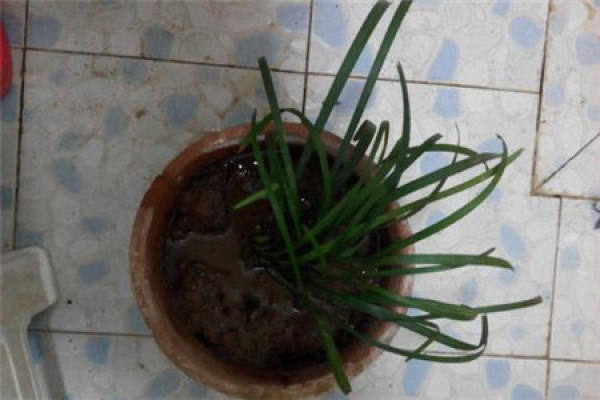
2. Pruning: generally, it is not necessary to prune, just to cut off the damaged and rotten leaves, and to clean up the rotten roots if the basin is changed
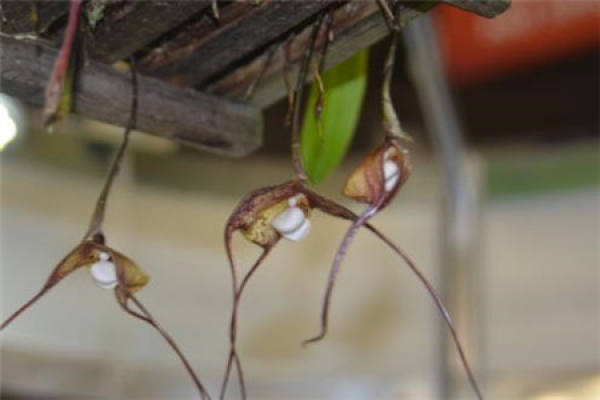
1. Root rot: the plant infected with root rot is mostly caused by the soil is too wet and the soil is not permeable. It is necessary to dig out the plant, clean up the rotten root strip, disinfect the incision, and then replant it into the soil with good permeability..
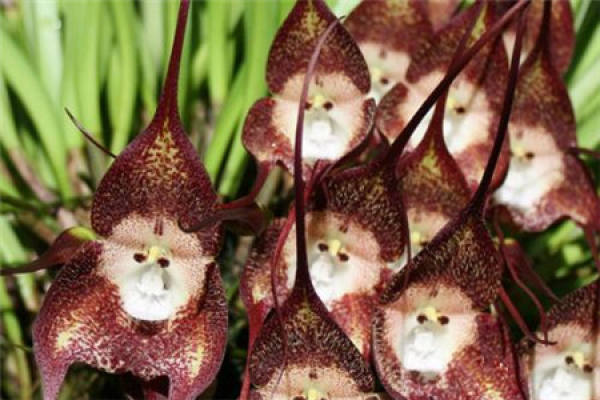
2. Anthrax: the onset time of this disease is in the rainy season. There will be red brown round spots on the branches and leaves. First, cut off the infected branches, and then spray them with anthrax cream.
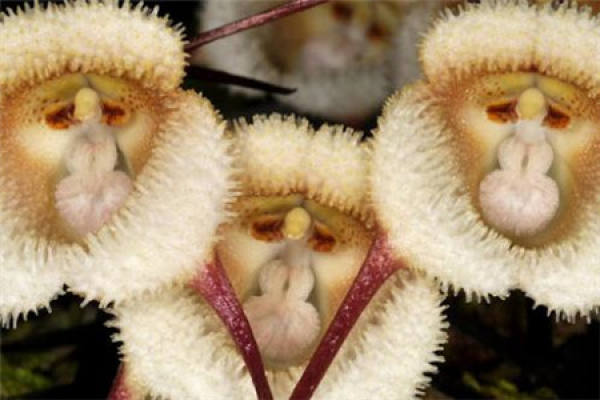
1. Toxicity: it is not poisonous, but its flower fragrance is strong. If it is cultured in a closed space for a long time, it will cause dizziness. Therefore, it needs frequent ventilation to disperse the smell.
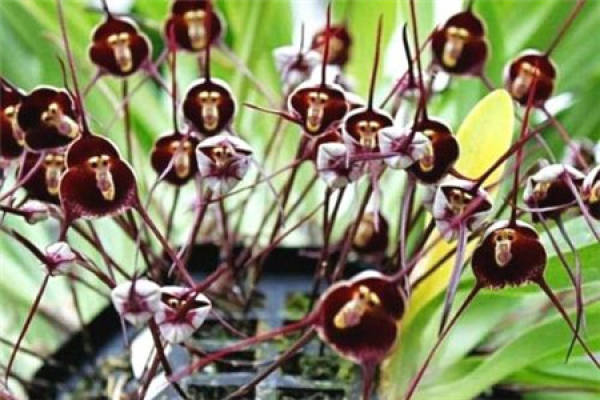
2. Food: it can't be eaten.