1. Temperature: it has a strong resistance to high temperature, but not to cold. Usually, it is most suitable to provide an environment between 22 and 30 degrees. In summer, you don't need to worry about it or deliberately cool it down. In winter, we should take preventive measures in advance, control temperature in time, and avoid frostbite.
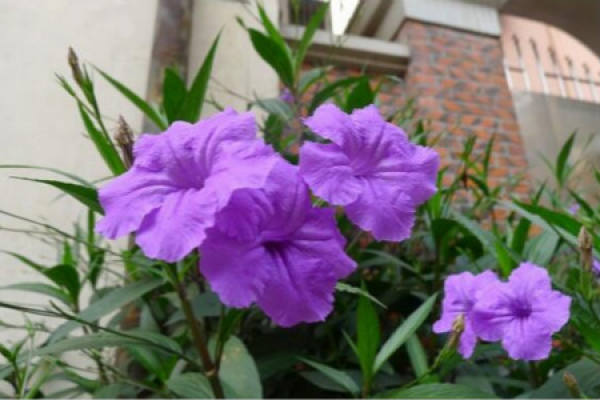
2. Light: during the breeding period, it can grow well whether it provides half or full day light. But note that if the indoor maintenance can not be long time out of light, otherwise the leaves will not have vitality, and the flowering time will be shortened
3. Soil: use salt alkaline soil for maintenance, and it's better to be fertile with humus, which is good for its flowering and growth.
4. Watering: it is more drought resistant. It does not need to be watered often when breeding, and it will not die of drought. But if the soil will have obvious cracks and no longer be watered, it will affect the growth. When watering, we should pay attention to pouring through, so that the root system and soil at the bottom can also touch the water, but there should be no water.
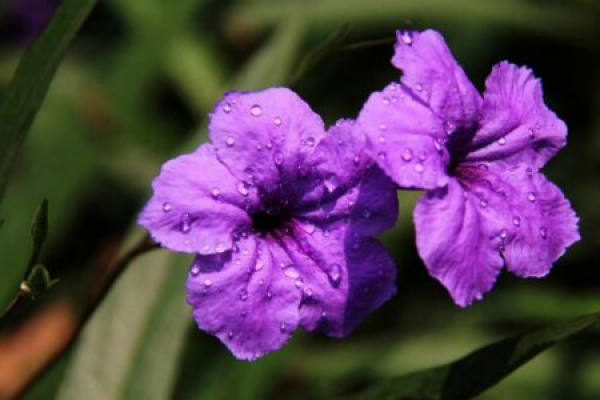
Its propagation can be carried out by cutting, sowing and splitting. The time is spring, summer and autumn, as long as it is not winter. However, no matter which way, we should guarantee the temperature. The temperature should be between 20 ℃ and 25 ℃, not too high or too low.