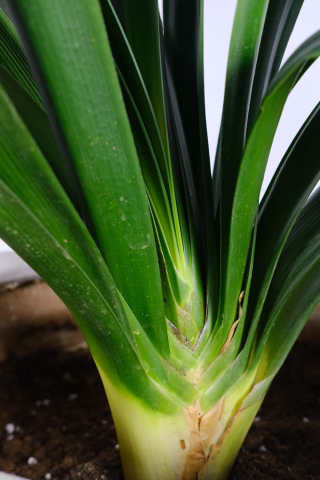
1. Soil: the cultivated bulb orchid should choose the soil with good air permeability, which is conducive to its growth and will not appear rotten roots.
2. Watering: the orchid does not need to be watered too much, as long as the soil is kept wet, if it is watered too much, it will rot, generally in hot summer, it can be watered appropriately, once a week in summer, once a month or a quarter in winter. If you can't control the amount of water, you can use less water and often spray some water on the leaves to increase the humidity of the air.
3. Light: it's better to put it in the place where there is sunlight. In summer, it's better not to let the strong light direct. You can move it to the astigmatism place or take good shading measures, or the leaves will turn from green to yellow. If you put it in the place where the light is not enough for a long time, the color of the leaves will be lighter and the amount of flowers will be less
4. Fertilization: apply compound Hefei or organic fertilizer to it. Apply fertilizer once every 15 days during its growth period. In winter, it will enter a semi dormant state. At this time, stop applying fertilizer.
1. Cuttage Propagation: it's better to choose March and April every year for propagation, and choose the relatively healthy old stem to be cut off. It's better to leave two sections of each section, dry it and insert it into the soil, then pour some water and cover with fresh-keeping film. Generally, the roots will grow about half a month.
2. Strip propagation: cut the stem nodes of the stems and then wrap them with film and tie them tightly. After rooting, you can plant them in a pot.

If you want to prevent diseases and insect pests, you need to strengthen ventilation. If you find long spots on leaves or stems, you need to deal with them in time. You can buy chemicals to spray. If you find raw insects, you can clean them with water.