The sea of four seasons likes a humid climate, so the place with high humidity is suitable for its growth, but do not allow the soil to accumulate water. If the water is too much, or it is attacked by the storm, the water in the basin soil will cause the root of the plant to rot and the leaves to turn yellow.
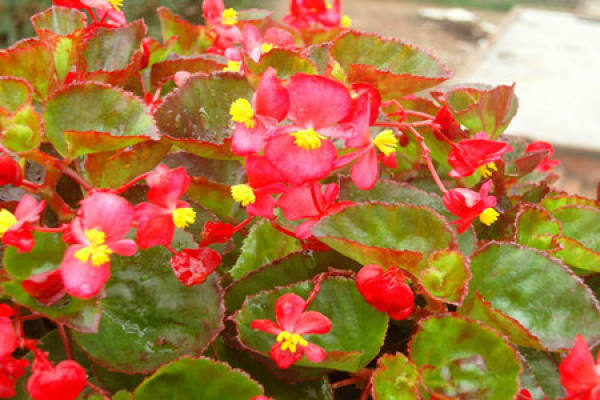
In order to prevent this kind of imagination, we should pay attention to water control when watering, and transfer the potted plant to a cool and ventilated place, wait for the leaves to turn green again, and then carry out normal maintenance, or in serious cases, we can adopt the method of pruning to make the base sprout again. Too dry basin soil in summer will cause the wilting of plants and the yellow of leaves.
Begonias like semi humid and semi cloudy environment. If they receive strong light in midsummer, their leaves will scorch and shrink. Transplanting the plant to a cool and ventilated place for proper shade, if it is not quite raised, it can be restored to normal.
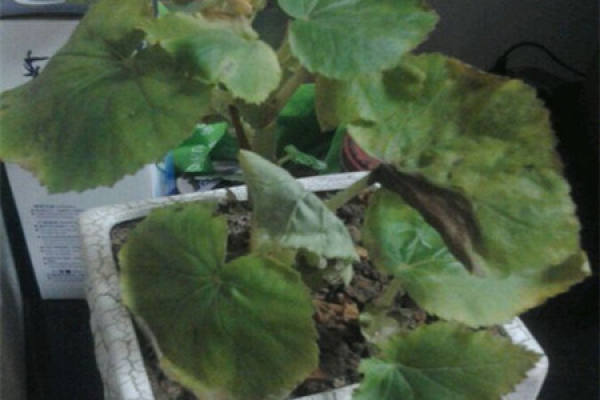
However, if the plant grows in a place with insufficient light, the growth of the plant will be weakened, the flowering amount will be less, and the flower color will be light. Therefore, in addition to the high temperature and hot summer in summer, it should be placed in the place with sufficient scattered light in spring and autumn. The temperature in winter is relatively low, and it can be placed on the balcony to direct sunlight to ensure photosynthesis.
In the growth process, if the fertilization is too little and there is no base fertilizer, the plant will grow short, lack of nutrients, and the leaves will be light or yellow. If too much fertilizer is applied to the fruit and more fertilizer is applied in summer, diseases, rotten roots and leaves will turn yellow.