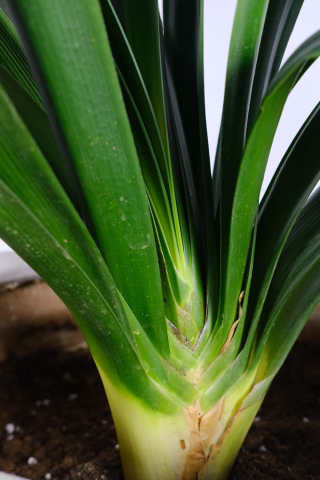
Generally, potted Rohdea japonica should be cultivated in sandy loam with rich humus. The pH value of the soil is between 6-6.5, which is beneficial to the full use of nutrients and is suitable for plants to bloom and bear fruit. Change the basin once a year from March to April or from October to November. When changing pots, the aged rhizomes and dead leaves should be removed and planted with acid soil with fertilizer. Put it in the shade for a few days after serving.
Warm, moist and half cloudy. In summer, it grows vigorously and needs to be placed in the shade to avoid strong light. Otherwise, it is easy to cause the dry tip of the leaf and the scorched edge, affecting the viewing effect. Evergreen is a fleshy root system, which is most afraid of waterlogging, so it can not be watered more, otherwise it is easy to cause rotten roots. The basin soil can be watered properly at ordinary times. If the basin soil is not dry, it is better to be dry rather than too wet. Besides keeping basin soil moist in summer, watering in spring and autumn should not be too frequent. In summer, the ground around the flowerpot should be watered early and late every day to create a humid microclimate. Attention should also be paid to prevent heavy rain pouring forest.
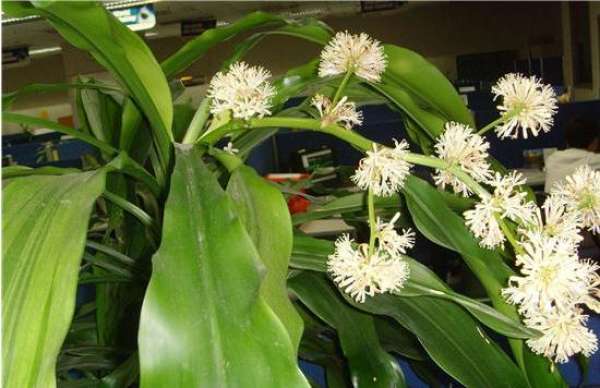
The mature liquid fertilizer is applied every 20 days or so; the growth in early summer is vigorous, and the liquid fertilizer can be applied once every 10 days or so, and a small amount of 0.5% ammonium sulfate can be added into the top dressing, so as to promote its growth better, and the leaves are thick green and bright. 0.2% dihydrogen phosphate solution was applied every 15 days from June to July in order to promote flower bud differentiation and better flowering and bearing.
It is not allowed to get wet in the flowering period. It should be placed in a place with dry shade and ventilation. in winter, Rohdea japonica needs to move into the room for winter, put it in a place with sufficient sunlight and good ventilation, and keep the temperature at 6-18 degrees, so as to prevent excessive consumption of nutrients by plants due to high room temperature.
Everpothos is not easy to form. So how can we make it work?
[! -- [if! Supportlists] -- > 1. Better dry than wet
[! -- [if! Supportlists] -- > 2. [! -- [ENDIF] -- > do not get wet when flowering, and put it in a cool and ventilated place.
[! -- [if! Supportlists] -- > 3. [! -- [ENDIF] -- > do not apply too much fertilizer. Apply winter fertilizer once a year.
4.
If the above four points can be achieved, there is no problem for Rohdea japonica to blossom and bear fruit. Flowering from May to June, fruit ripening from September to October. Under normal conditions, the fruit does not wither in winter.