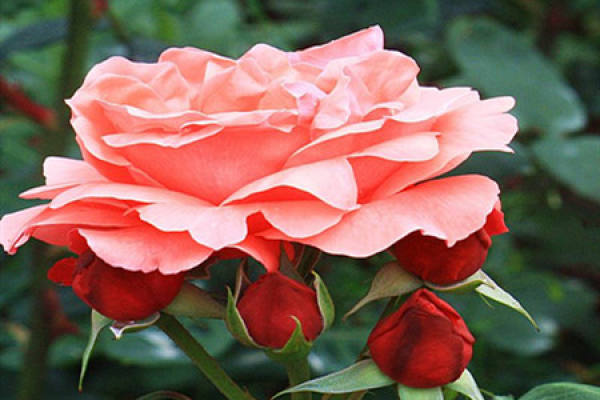
1. Temperature: the temperature to be maintained is just suitable between 15 ℃ ~ 25 ℃, which cannot exceed 30 ℃. If the temperature is too high, some cooling measures shall be taken. At the same time, the cold resistance of the rose is relatively high. If the south is cultured, it can spend the winter outside, because it can not grow under the zero environment, but the North needs to enter the room to breed, so that it can not frostbite at low temperature and will not germinate in the next year.

2. Watering: perfume rose should keep enough moisture during spring growth. With the growth of plants, the demand for water will gradually increase.

3. Light: usually it needs to be cultured in a sunny place, because its flowering will be affected by the light. If the light is not enough, the flower bud is not very comprehensive, and the color will be very flat. Of course, the strong light in summer should be properly avoided to protect the plant from sun damage.

4, fertilization: perfume rose is a favorite plant. During the growth and flowering period, it needs a lot of fertilizer. The growth season needs to provide nitrogen and potassium compound fertilizer, so as to promote the growth rate. During the flowering period, we can use phosphate fertilizer and stop using nitrogen fertilizer, otherwise the bloom will fall early.

1. Propagation: cutting and sowing are the main modes of propagation. Cutting can be carried out in spring and autumn. The twigs can be cut off and directly cut into a fertile flowerpot to receive warm sunshine. Sowing can also be carried out in spring and autumn. Keep the soil moist after sowing. Sowing in spring will germinate in mid April

2. Pruning: it needs to be pruned once before winter, but not too early. It mainly prunes some lateral branches to ensure the normal growth of the trunk and the decomposition of nutrients. Prune the lateral branches evenly.

1. Disease: powdery mildew will occur. It is necessary to strengthen ventilation and light, or use medicament to improve the current situation.

2. Insect damage: red spider will occur, which can be controlled by dichlorvos solution.

1. Toxicity: no poison, its medicinal value is very high
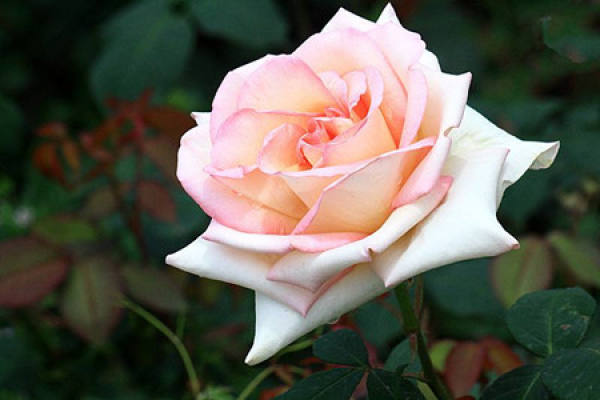
2. Whether it can be raised at home: Yes, it can be raised at home with high ornamental value, which can ease the mood