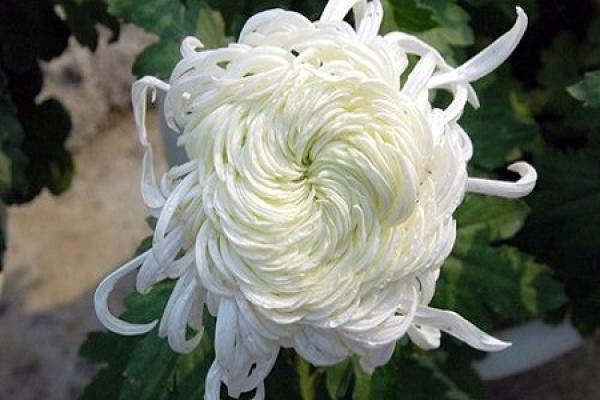
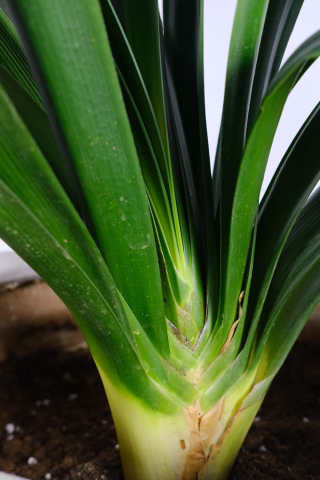
1. Temperature: its habits are almost the same as chrysanthemum. It is better to put it in a warm place for maintenance, which can be between 15 and 28 degrees. It is afraid of both heat and cold, so when the temperature is at two extremes, it needs to be adjusted.

2. Light: the only chrysanthemum likes light and provides enough sunshine time for its flowering. Generally speaking, you can always put it in a place with sufficient astigmatism and turn it in the right direction. However, when there is strong light, we have to shade, but if we are indoors all the time, we don't need to think about it
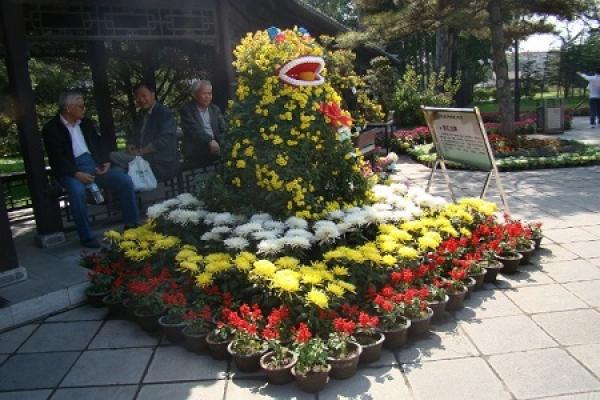
3. Watering: when the chrysanthemum grows fast, it needs more water. It can keep the substrate moist, but don't accumulate too much water, or it will easily rot. In winter, keep the substrate not completely dry, do not pour too much
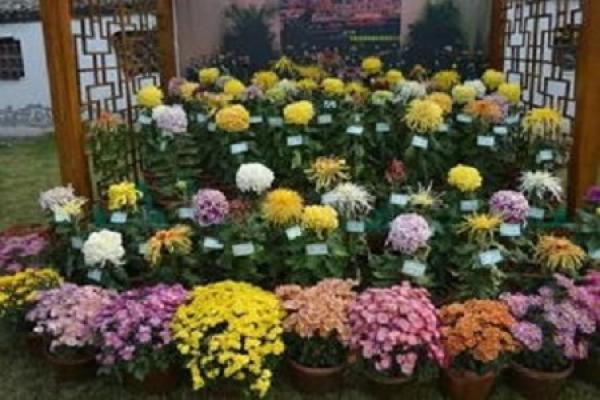
4. Fertilization: usually some foliar fertilizer should be applied to the plant, so that its leaves will appear more shiny. When the flower bud is formed, some water and fertilizer should be applied.
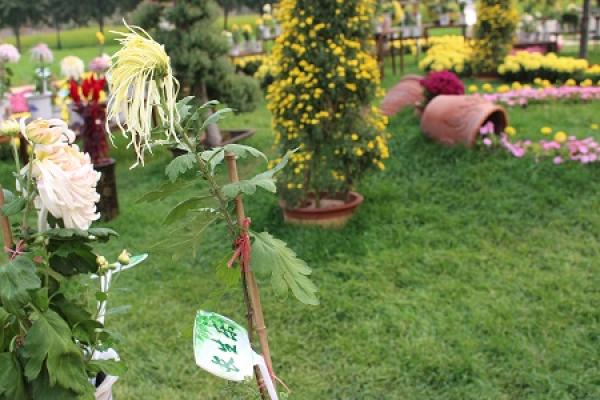
1. Pruning: pruning is a very important step to cultivate a unique chrysanthemum. Generally speaking, after cutting the seedlings of chrysanthemum, when it grows to a certain height, it is necessary to pick the heart. Two or three heartbeats are needed. For the last time, special attention should be paid to that after selecting a full branch, the rest of the branches can be cut off
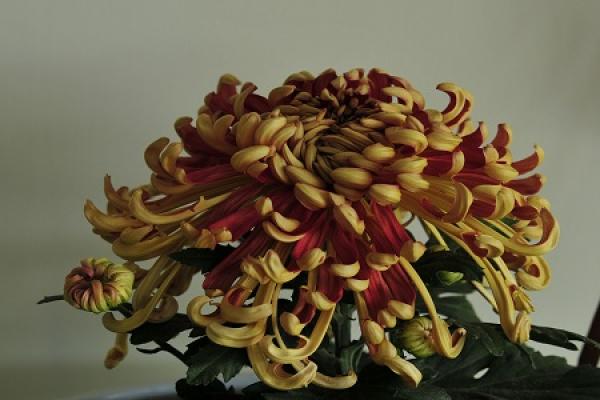
2. Change basin: Chrysanthemum alone is a good potted flower, so we need to pay attention to whether the soil is suitable, that is, change basin in time. Can be replaced once a year or two years, choose rotten leaf soil, sandy soil, etc. are relatively good

1. Diseases: there are many common diseases of chrysanthemum. For example, "leaf spot disease" appears more often in rainy days, especially when the ventilation is not good. It can be treated with chlorothalonil. Another is "brown spot", will lead to a lot of brown leaves with you, the same can be used chlorothalonil, and timely disinfection of the soil.
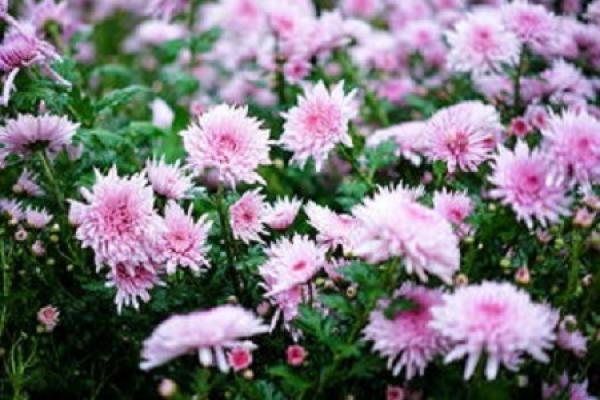
2. Insect pests: there are also many, such as "leafminer", "inchworm", "chrysanthemum mite", etc., which also disinfect the soil while spraying.
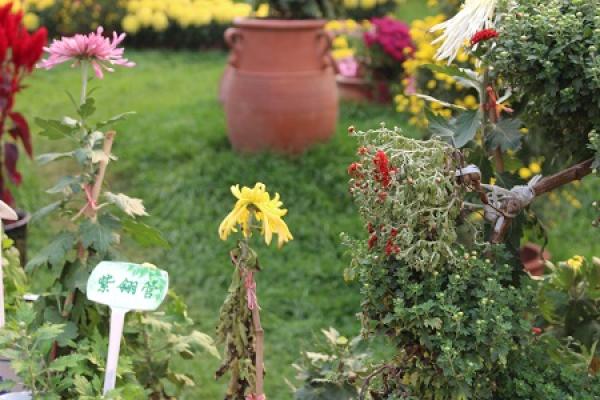
1. Toxicity: the only chrysanthemum is essentially a kind of chrysanthemum, which is non-toxic.
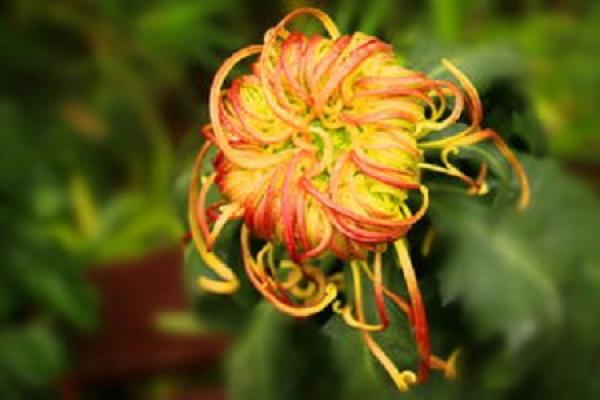
2. Whether it can be raised at home: it has a very good ornamental value and can be put at home.