1. Time: cutting is the main propagation method of Florist Kalanchoe, generally in March to may in spring, or August to September when summer and autumn intersect, other times will affect the survival due to plant dormancy, but in the greenhouse, the problem is not big
2. Seedling selection: select healthy and vigorous plants, cut 5 cm long mature succulent stems from them, without removing leaves.

3. Soil selection: the selection of matrix is also particularly important. Generally, perlite, vermiculite and peat are used together, which has good drainage and air permeability.
4. Planting: the cuttings are planted on the substrate and covered with plastic film after watering, so as to have a good heat preservation effect.
5. Transplanting: take root in two to three weeks after planting, keep the substrate moist, and put it in the half shade to receive sunlight scattering, and then transplanting to the basin in one month.

1. Time: the sowing method is generally carried out in spring or autumn, and the suitable time is March. As the temperature rises gradually, it is good for the development of seeds.
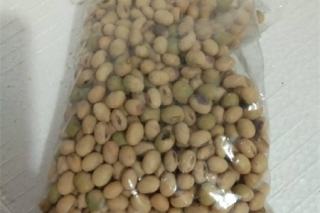
2. Seed selection: only one petal of longevity flower has seeds, and there are many seeds. In general, multiple seeds can be planted together, which can improve the survival rate.
3. Soil selection: the requirements of sowing for the substrate are high. Use rotten leaf soil, garden soil and humus soil to mix, and sterilize as the substrate after ripening.

4. Sowing: evenly sprinkle the seeds on the substrate, cover the surface with fine soil, not too thick soil.
5. Maintenance: cover the surface with film, store in a warm and ventilated place, keep the basin soil moist, and control it at about 20 ℃.
6. Transplanting: sprout in two weeks or so, then you can receive astigmatism, and add a little fertilizer to irrigate the leaves, and then you can transplant in summer.