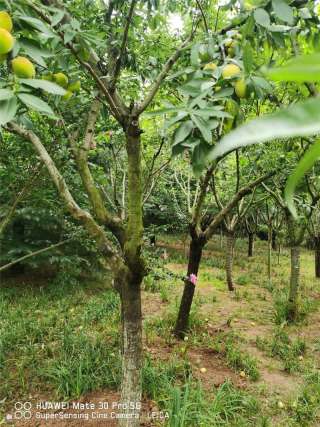
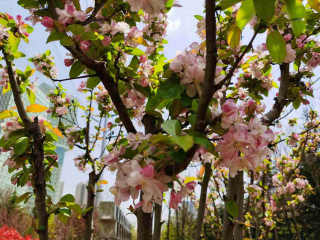
It is necessary to cut a T-shaped incision at the proper position of the Rootstock to cut the phloem. Good rootstock must be selected. Rootstock should have developed root system, vigorous growth of branches and leaves, strong and substantial 1-2-year-old branches without pests and diseases as scions. The thickness of rootstock and scion branches is similar, or the thickness of rootstock branches is slightly better.

First of all, a set of skilled cutting method is needed. Cut a knife across the top of the bud, about 0.5cm above the bud, and then cut a knife obliquely upward at 1.0cm below the bud, so that the two incisions meet. At this time, take the bud piece with the right hand button. It is required to be skilled in technology, fast in action, sharp in cutting tools, smooth in surface cutting, mutually aligned in formation layer, firmly bound and moisturized in interface. In order to ensure success, we can try to connect more branches

Insert the shield shaped bud into the "t" incision, align the upper end of the bud with the upper end of the "t" incision, and then bind it with a plastic strip. After grafting, the scion and the joint can be covered with plastic bags to keep moisture.

It is better to cut and join in spring and autumn. Similarly, select the full branches, choose the flat side as the long cutting side. After cutting, use the strip film for binding, and then cover the upper part of the scion with the film bag, so as to cut off from the dry air, improve the survival rate of grafting and extend the grafting period.
The above is the grafting method of safflower stepwood. After grafting, we must pay attention to bagging and sunscreen, so as to improve the survival rate of grafting. I believe that through the above methods, you will succeed in grafting safflower stepwood.