1. Temperature: the high sand Weng is suitable for growing in a warm place. In other words, the temperature between 18 and 25 degrees is the most appropriate. It can be adversely affected in both hot and cold environments. So, the high is not more than 30 degrees, the low is not less than 10 degrees.

2. Light: the man of high sand likes light. In good sunlight, its color is more beautiful, and its plant type will be more compact, not very loose. However, it is still more afraid of the sun, so the noon light is best to cover

3. Watering: the high sand Weng has good drought resistance, but it is more afraid of waterlogging. Therefore, it is a very important principle to prefer dry to wet. Can wait for the substrate to dry out, then add water, and pour through, but do not water. Control water in winter and rainy days. In addition, when it's dry, you have to spray a little water
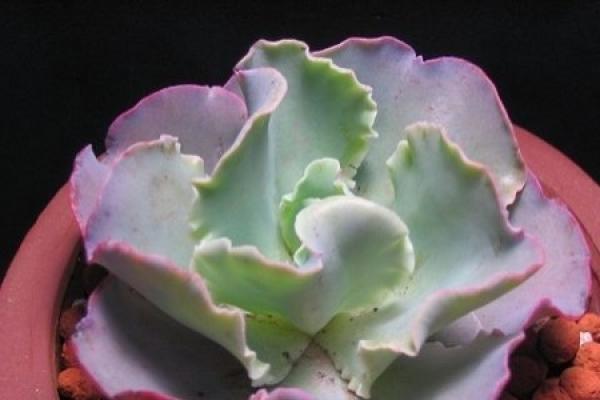
4. Fertilization: there is no requirement for top dressing for the high sand Weng, just pay attention to the basic fertilizer in the soil, and then add a little after changing the basin.

1. Propagation: the most commonly used method is "leaf cutting", which is to select its leaves as cutting materials. This method is widely used and can be carried out all year round. Select the robust leaves, cut them off and put them in a ventilated place for a while, and then insert them into the matrix when the wound is dry.

2. Change basin: Generally speaking, once a year is the most appropriate. If there is no condition to change every year, then we can also use the way of turning basin to improve the permeability of soil. Specifically, the selected soil can be sandy soil, and the base fertilizer is added. Even if do not change basin, base fertilizer also had better add some

1. Disease: the most important kind of disease is "leaf spot disease", which will cause leaf spots, and gradually expand, aggravating the disease. Can use chlorothalonil spray treatment, but also have to deal with infected leaves.
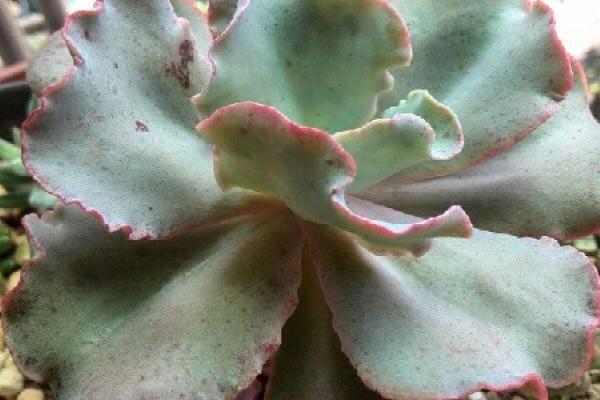
2. Insect damage: "aphid" is more common, mostly concentrated in its leaves, and the damage is relatively large. Use Omethoate

1. Toxicity: it is non-toxic.

2. Whether it can be raised at home: Yes, it is a kind of meat, suitable for viewing at home, with good decorative effect.