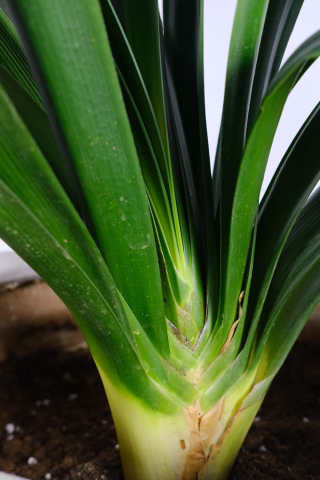
1. Temperature: the temperature between 18 ℃ and 28 ℃ is suitable. The ambient temperature in winter needs to be kept above 5 ℃, so the South can normally live in the outdoor winter, and the North needs to be transplanted to the indoor breeding.
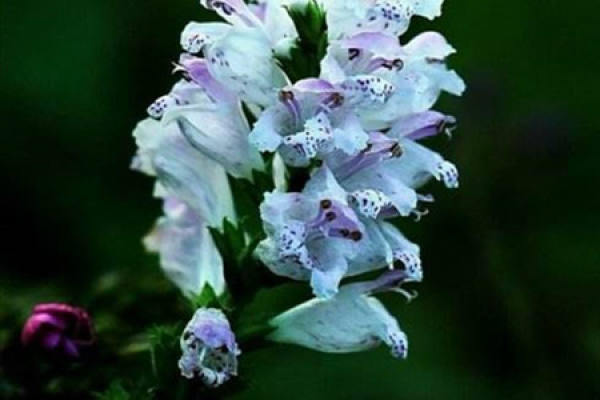
2. Watering: it needs enough water for its growth, so it can grow rapidly. If the water is not completely replenished all the time, the growth of the plant is not good, which seriously affects the appearance and cannot achieve the purpose of breeding.
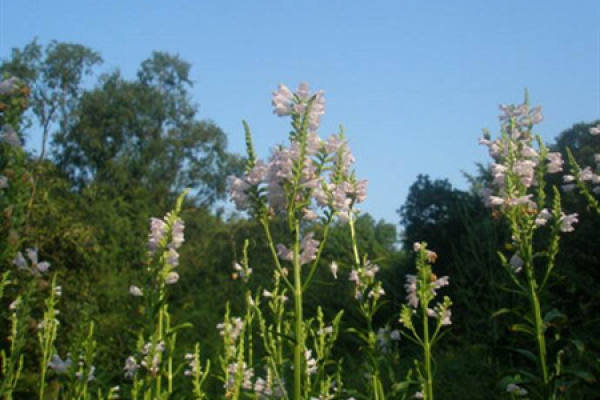
3. Light: it belongs to the light loving plant. The warm sunshine is something that can't be separated from its normal growth. However, the high temperature and strong light in summer need to be avoided. It can be properly shaded. However, in the process of breeding, it should be noted that it can't be directly placed in a concealed place, so its growth will be affected.
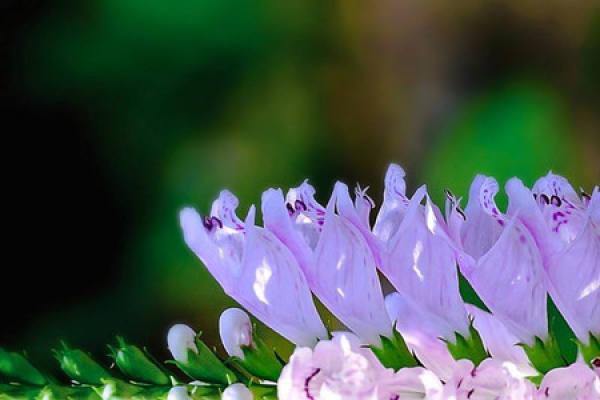
4. Fertilization: it is necessary to provide fertile soil during the growth period. Generally, it is necessary to apply nitrogen, phosphorus and potassium fertilizer. The proportion of phosphorus and potassium fertilizer is relatively higher, which can promote flowering. However, we still need to pay attention to thin fertilizer application, once a month, each time the amount of control, the amount of large prone to the phenomenon of vapid
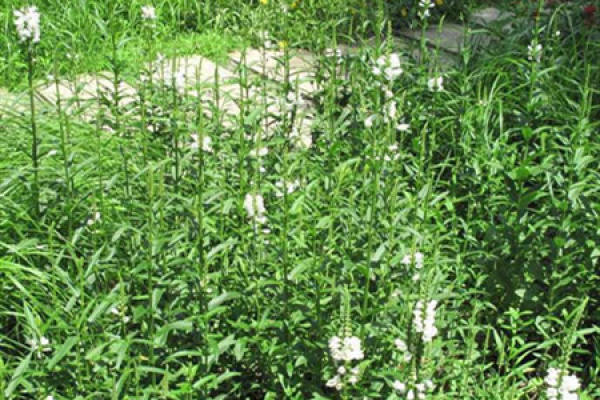
1. Reproduction: splitting is generally in spring and autumn. At the same time, it is necessary to select plants of about three years old, and then replant them. Cutting is generally carried out from April to May. Select the branch just germinated, select the branch about 10 cm and then cut, then ensure the soil is moist and wait for germination.
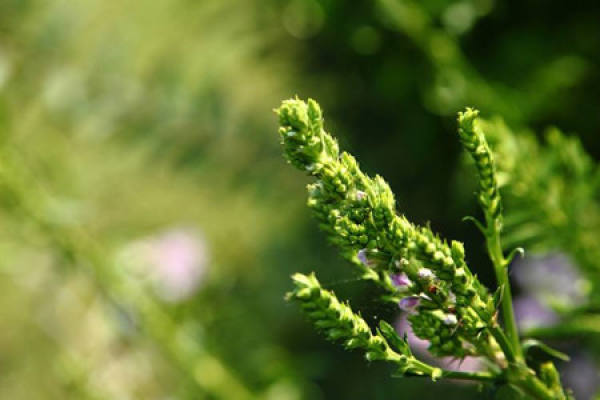
2. Pruning: it almost does not need to be pruned, and the plants are planted in large areas. If it is pruned, its appearance will be affected. If you breed in a flowerpot, you can remove the Yellow branches and leaves by hand.
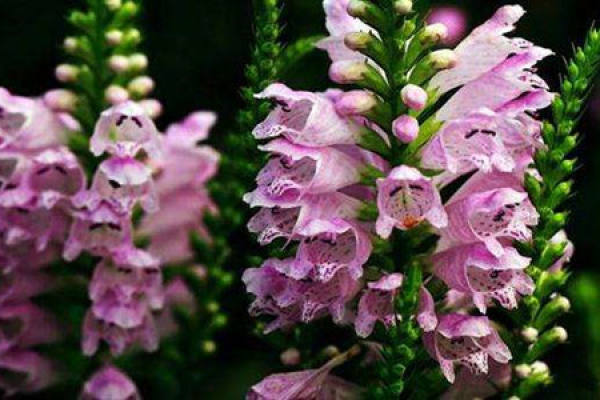
1. Disease: it is very prone to rot, which is usually caused by insufficient ventilation and too intensive planting. Therefore, wettable powder can be used to control the disease. At the same time, the spacing between plants should be kept appropriate.
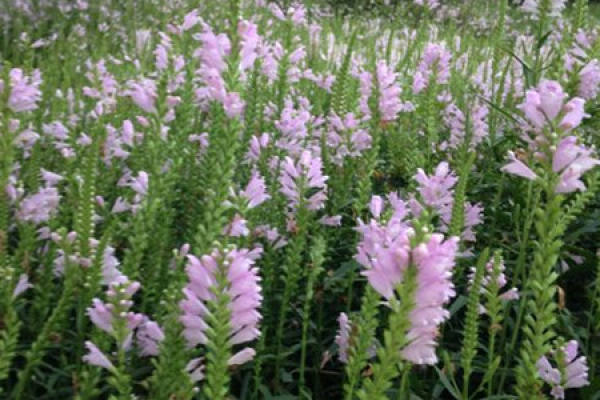
2. Insect damage: aphids will appear more frequently, and can be improved by spraying pesticides.
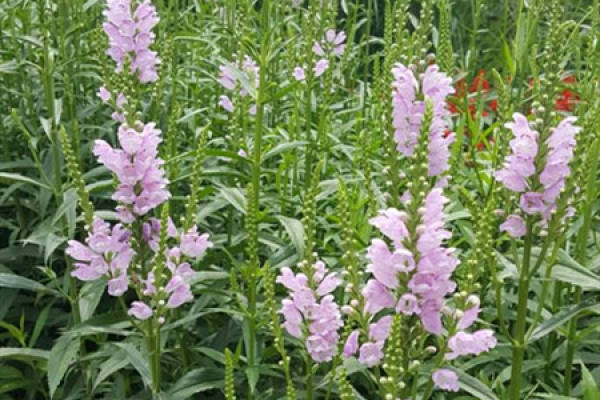
1. Toxicity: the whole plant is nontoxic and is very suitable for cultivation.
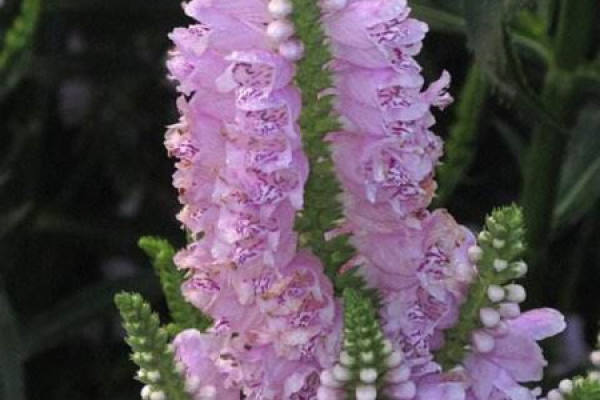
2. Whether it can be raised at home: Yes, at the same time, it has a high ornamental value.