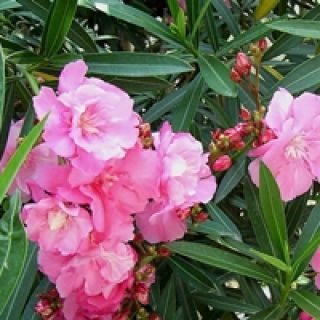
Carnations (Dianthus caryophyllus) thrive when their water requirements are met precisely. As plants, they rely on a balance of moisture to support root health, nutrient uptake, and photosynthesis. Overwatering can suffocate roots by reducing oxygen availability, while underwatering stresses the plant, leading to wilting and poor bloom production. Carnations prefer consistently moist but well-drained soil, mimicking their native Mediterranean habitat.
Carnation roots are fibrous and shallow, spreading horizontally to absorb water efficiently. To support this system, water should penetrate the top 6-8 inches of soil, encouraging deep root growth. Avoid surface-only watering, which promotes weak roots. From the plant’s perspective, uneven moisture disrupts nutrient flow, causing yellowing leaves or stunted growth. Mulching helps retain soil moisture and stabilizes root temperature.
Carnations signal their water needs through subtle cues. Drooping leaves or dry topsoil indicate thirst, while yellowing or mold suggests excess water. Water early in the morning to align with the plant’s natural transpiration cycle, allowing foliage to dry before evening and reducing fungal risks. In hot climates, monitor soil daily; in cooler conditions, 2-3 times per week may suffice. Adjust based on rainfall and seasonal changes.
Carnations are sensitive to water quality. Hard water with high mineral content can accumulate salts in the soil, harming roots. Use filtered or rainwater when possible. Cold water shocks roots, slowing metabolism, so tepid water (around 65°F/18°C) is ideal. From the plant’s view, consistent water temperature supports enzymatic activity and nutrient transport.
Carnation leaves are prone to fungal diseases like powdery mildew when wet for prolonged periods. Water at the base of the plant, directing moisture to the soil rather than the foliage. Drip irrigation or soaker hoses are optimal, as they mimic natural groundwater seepage. This method ensures the plant’s stomata (pores) remain unobstructed for gas exchange.
During active growth (spring/summer), carnations demand more water to support blooming. Reduce frequency in fall/winter when growth slows. Potted carnations dry faster than ground-planted ones, requiring closer monitoring. The plant’s dormancy phase in winter means reduced transpiration, so overwatering can lead to root rot.
Carnations communicate distress clearly. Underwatered plants exhibit crispy, curled leaves and fewer flowers. Overwatered carnations develop soft, brown roots and wilt despite wet soil. Adjust practices immediately if these signs appear. The plant’s vascular system relies on balanced water pressure (turgor) to maintain structure and function.