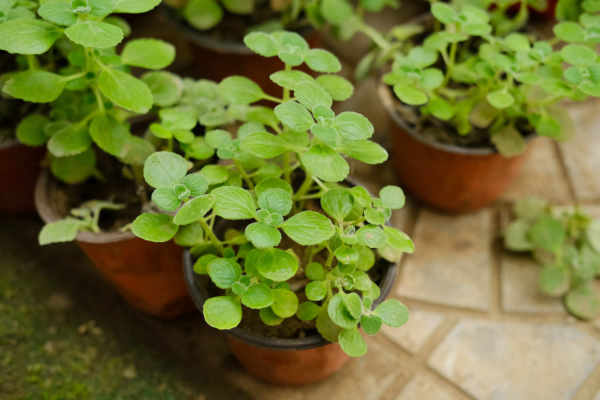
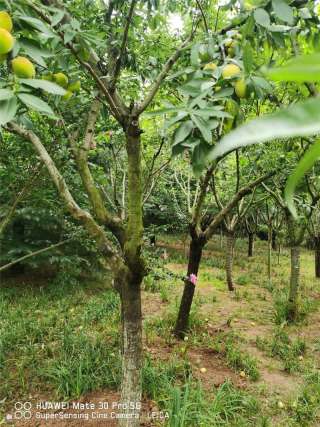
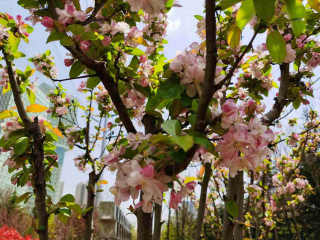
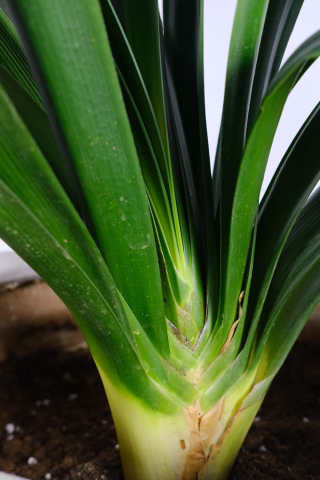
1. Temperature: It likes relatively warm environment, and the temperature can be maintained between 20 and 28 degrees, which is the best for growth.Not cold-resistant, low temperature in winter, it is necessary to move indoors to spend it, and to ensure that the temperature is above 5 degrees to avoid frostbite.
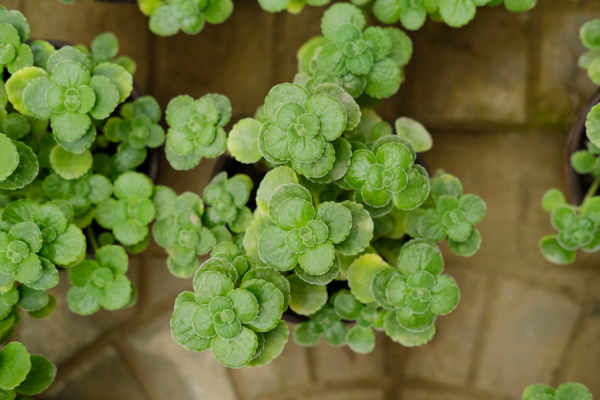
2. Illumination: The light in winter is very soft. It can be placed indoors in a place with good lighting. Let it bask in the sun more. In this way, the temperature of the plant itself can be increased, and the leaves can also accumulate more nutrients, which is beneficial to winter.
3. Watering: In winter, the temperature is low, the growth is slow, and the demand for water will become less, so it is necessary to reduce watering.If the soil is not dry, it can not be watered, and it can be watered again when it is dry.If frequent watering, the root system is easy to rot, and may even lead to plant death.
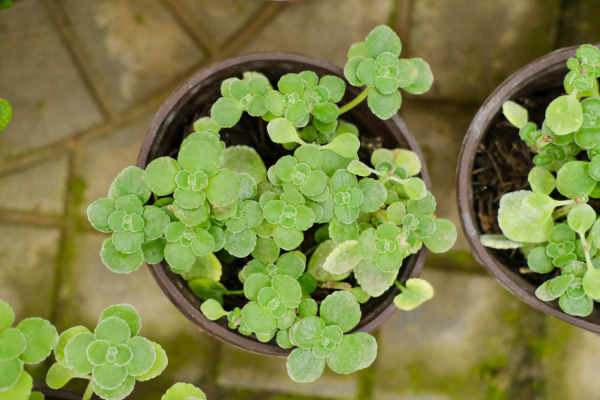
4. Fertilization: Stop fertilization in time in winter.Fertilizer and water can be applied once before winter to ensure that it absorbs enough nutrients for better winter.At this time, even fertilized plants are difficult to absorb, but may bring fertilizer damage.
Its cold resistance is not high, the winter temperature is low, it is best not to cut propagation.But if the winter can be very good temperature control, moisture can be cuttage, the survival rate is also guaranteed.After cutting, the temperature should be controlled at least 10 degrees or more, and water should be sprayed regularly to moisturize, so that roots and leaves will soon grow.