1. Fermentation treatment: When irrigating rice-washing water, it must be fermented first.The method is very simple, rice washing water can be put into a sealable plastic bottle, and then directly placed in a place with strong light exposure, about half a month or so can be fermented and decomposed into organic fertilizer.
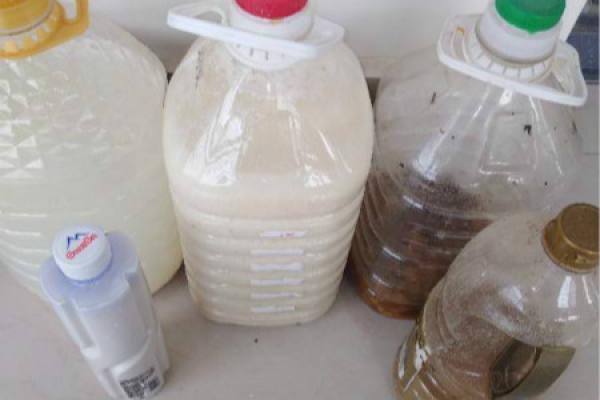
2. Dilution with water: After the rice washing water is completely fermented, it cannot be directly irrigated, and a proper amount of clear water must be added for dilution, otherwise the acid content is high, and the plant is easy to be burned.The proportion of clean water and rice washing water should be controlled at 7:3, and it should not be poured on the leaves.If there is an odor, add orange peel to reduce the odor.

There are many benefits to watering plants with fermented rice-washing water.It contains a lot of vitamins, trace elements, proteins and so on, are essential for the growth of flower plants, watering is beneficial to growth and development.In addition, rice washing water is weakly acidic, especially for some acid-loving plants, which can not only promote growth, promote more flowering, but also prolong flowering time and prevent yellowing.
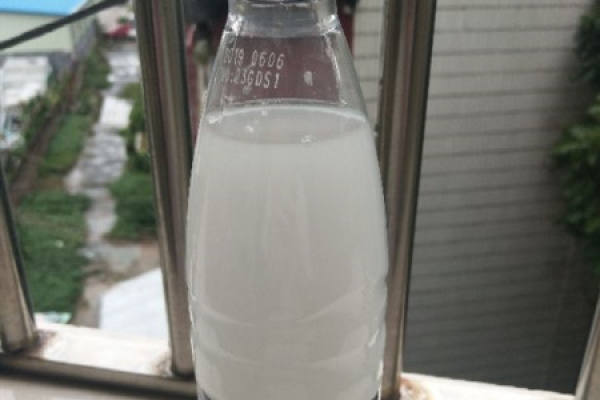
When watering rice washing water, we should pay attention to some flowers that can not be watered, especially alkaline plants, such as cactus, maidenhair fern and so on.Although it can supplement nutrients, it can not completely replace fertilization, and it is necessary to fertilize when applying fertilizer to avoid lack of nutrients.