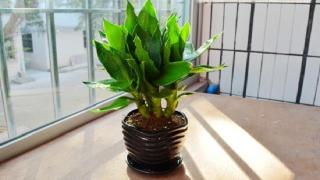
From my perspective as a Lucky Bamboo plant, I am not a true bamboo but a member of the Dracaena family. My roots are not aggressive or deep-seeking like some plants, but they are vital for my stability and for absorbing the water and nutrients that sustain my vibrant green stalks and leaves. Over time, in my water-filled vase or small pot, my root system can become crowded. This congestion, a dense tangle known as being "root-bound," makes it difficult for me to breathe and absorb what I need. Furthermore, the water can become stagnant, leading to a buildup of bacteria and minerals that can harm my delicate roots, potentially causing them to turn brown or mushy. Repotting is not an act of disruption from my point of view, but a necessary refreshment—a chance for renewed growth and long-term health.
To ensure this process is as gentle as possible, I rely on you to have the right tools ready before we begin. A sudden, prolonged exposure to air is stressful for my roots, so preparation is key. You will need a new, clean container that is only one size larger than my current home. A pot that is too large will hold excessive water and could lead to root rot. The most critical item is the growing medium. While I am often seen thriving in water, I can also live happily in a well-draining potting mix. If you choose water, have clean, filtered, or distilled water ready, as the fluoride and chlorine in tap water can brown my leaf tips. If you choose soil, a mix formulated for succulents or cacti, which drains exceptionally well, is ideal. You will also need clean, sharp scissors or pruning shears, and some clean pebbles or glass stones to anchor me in my new pot.
This is the most delicate part of the operation. Please handle my stalks with care. If I am in a vase of water, simply tip the vase and guide me out slowly, supporting my stalks. Do not pull me out by my stalks alone. If I am in a pot with soil, gently squeeze the sides of the pot to loosen the soil's grip. Then, turn the pot sideways and carefully ease me out, again supporting the base of my stalks. Once I am free, the next step is a root inspection. Gently rinse my root system with lukewarm water to wash away the old soil or any stagnant water. This allows you to see the condition of my roots clearly.
Now, examine my roots. Healthy roots should be firm and orange or reddish in color. If you see any roots that are black, slimy, or mushy, these are rotten and must be removed. Using your sterilized scissors, make clean cuts to remove these damaged sections. This feels like a relief to me, as it prevents decay from spreading. You can also trim any excessively long, thread-like roots to encourage a bushier root system in my new home. Be conservative; never remove more than one-third of the total root mass. This pruning stimulates healthy new growth, much like trimming hair to get rid of split ends.
If you are using a pot with soil, place a layer of pebbles at the bottom for drainage, then add a base layer of moist potting mix. Hold me in the center of the new pot at the same depth I was growing before, and gently fill in around my roots with more soil, pressing lightly to eliminate large air pockets. If you are returning me to a water setup, place a layer of clean pebbles or stones in the bottom of the new vase. Position me on top of the stones and then carefully add more stones around my roots to anchor me securely. Finally, pour in the fresh, filtered water until it covers my roots completely but does not submerge my stalks. Place me back in my preferred spot with indirect light, and I will begin the work of acclimating to my refreshed environment, grateful for the care that will allow me to continue thriving by your side.