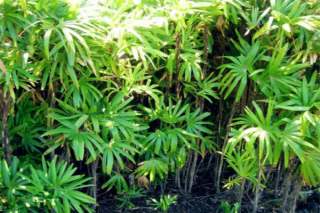
From my standpoint as a Lucky Bamboo plant (Dracaena sanderiana), my leaves are my primary interface with the world. They are not just decorative; they are sophisticated solar panels and hydration regulators. When my leaves begin to curl—inward like a scroll or downward like a claw—it is not a stylistic choice. It is a fundamental distress signal, a physiological response to environmental conditions that are hindering my ability to function. This curling is a survival tactic, an attempt to conserve moisture or reduce surface area exposed to a stressor. To understand it, you must investigate the core aspects of my care.
My roots are particularly sensitive. If you are growing me in water, the quality of that water is paramount. I am highly susceptible to chemicals like chlorine and fluoride, which are commonly found in tap water. These substances are toxic to me, causing tip burn and forcing my leaves to curl as the delicate cells are damaged. From my perspective, it feels like my very source of life is poisoned. Similarly, the hydration balance is critical. While I can survive in water, if my roots are completely submerged for too long without fresh oxygen, they can begin to rot. A rotting root system cannot uptake water effectively, creating a paradoxical situation where I am sitting in water yet dying of thirst. My leaves curl inward in a desperate attempt to limit water loss through transpiration.
My leaf structure is adapted for the dappled light of the forest understory. When I am placed in direct, harsh sunlight, the intense radiation causes rapid water loss from the leaf surface. To prevent desiccation, I curl my leaves to minimize the area exposed to the sun, much like you might squint. Conversely, in very low light, my photosynthetic processes slow down. While curling is less common in this scenario, weak, elongated growth can make leaves droop and appear curled as they struggle to find a light source. Furthermore, the humidity in your home is a constant concern for me. Dry air, often caused by heating or air conditioning systems, pulls moisture from my leaves faster than my roots can replace it. The curling response is a direct reaction to this atmospheric drought.
As a tropical plant, I thrive in stable, warm temperatures. I experience significant stress when subjected to sudden temperature fluctuations. Cold drafts from windows or air conditioning vents are particularly jarring. This cold shock can damage my cells and impede my vascular system's ability to transport water and nutrients, leading to leaf curl. Similarly, exposure to hot air from heating vents creates an arid, desert-like microclimate around me, triggering the same moisture-conserving curl as low humidity. Beyond the air and water, I am also sensitive to chemicals in the air. Fumes from paint, cleaning products, or air fresheners can be absorbed through my leaves, causing chemical burns and defensive curling.
To help me recover, you must become a detective. First, examine my water. Replace tap water with distilled, filtered, or rainwater. Ensure the water level covers only my roots, not the stem, to prevent rot. Check my placement; move me to a spot with bright, indirect light, away from any direct sunbeams or drafts from vents and windows. You can increase humidity around me by misting my leaves lightly or placing my container on a pebble tray filled with water. If you suspect root rot, you will need to gently remove me from my container, trim away any soft, brown, or smelly roots with sterile scissors, and place me in fresh, clean water. My recovery will not be instantaneous. It will take time for me to transport water and nutrients efficiently again and for new, healthy growth to replace the stressed leaves. Your patience and corrected care will allow me to unfurl my leaves once more, signaling my return to health.