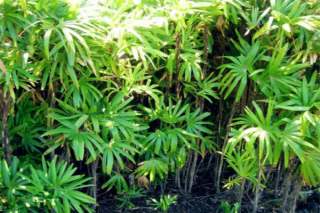
Lucky Bamboo, scientifically known as *Dracaena sanderiana*, is a popular houseplant cherished not for its name but for its unique botanical characteristics and ease of care. Despite its common name, it is not a true bamboo but a member of the asparagus family (Asparagaceae). Its resilience, adaptability, and distinctive growth patterns form the foundation of its symbolic reputation and the tangible benefits it offers in a home environment.
From a plant's perspective, Lucky Bamboo's primary advantage is its exceptional hardiness. It is a tropical understory plant in its native habitats of Central Africa, meaning it is adapted to thrive in low-light conditions under the canopy of larger trees. This makes it perfectly suited for the indirect light typical of most indoor spaces. Its ability to grow hydroponically—rooting and flourishing in pure water—is a key feature. This not only simplifies its care, eliminating the need for soil and complex watering schedules, but also symbolizes a pure and adaptable life force. The plant's vibrant green stalks and leaves are a testament to its efficient photosynthetic process, even in suboptimal light, representing vitality and persistent growth against the odds.
Like many other plants in the *Dracaena* genus, Lucky Bamboo contributes to improved indoor air quality through a natural physiological process. While actively photosynthesizing, it absorbs carbon dioxide and releases oxygen. More significantly, it is recognized for its ability to remove common household volatile organic compounds (VOCs) such as benzene, formaldehyde, and xylene from the air. These toxins can off-gas from furniture, cleaning products, and building materials. The plant's leaves and roots work in tandem with microorganisms in its water environment to break down these pollutants, providing a subtle yet continuous cleansing effect on the indoor atmosphere.
The growth pattern of Lucky Bamboo is highly manipulable, which is central to its symbolic meanings. Growers can train the stalks to curl or spiral by carefully controlling the light source, forcing the plant to grow towards it. This practice results in the beautiful spiral shapes associated with the plant. Furthermore, the number of stalks in an arrangement is culturally significant, with each number representing a different blessing, such as two stalks for love or three for happiness. From a botanical viewpoint, this highlights the plant's tolerance for pruning and shaping, as well as its ability to propagate easily from cuttings. A single stalk can be cut to produce multiple new plants, symbolizing regeneration and the spreading of good fortune.
The presence of any living plant, including Lucky Bamboo, has documented psychological benefits. The color green is calming to the human nervous system, and caring for a plant can reduce stress and promote a sense of well-being. The hydroponic nature of Lucky Bamboo offers a unique advantage here. A clear vase or container allows for a clear view of the plant's root system, which is often as aesthetically pleasing as the stalks above. Watching the intricate, white roots develop and spread through the water provides a visible connection to growth and life cycles. This transparent view into the plant's foundation can be a grounding and mindful experience, reinforcing themes of stability and inner strength.