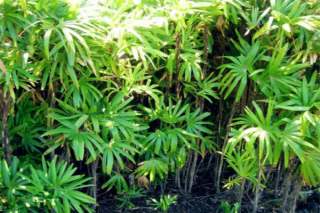
As a plant, my primary energy source is light. The term "low light" is often misunderstood. While I, a lucky bamboo (Dracaena sanderiana), am tolerant of lower light conditions, "tolerant" does not mean "ideal for vigorous growth." If I am placed in a spot that is too dark, my photosynthetic processes slow to a bare minimum. I can only produce enough energy to sustain my existing leaves and roots, with nothing left over to invest in creating new shoots. Conversely, if I am placed in direct, harsh sunlight, my leaves can scorch and turn yellow or brown. This damage forces me to expend energy on repair rather than growth. For optimal shoot production, I need bright, indirect light. This means a spot where I can see the sky clearly but am protected from the sun's direct rays.
Even if I am growing in water, I cannot create new cells from nothing. I require essential minerals to build new shoots and leaves. If I have been in the same water for a long time, the minimal nutrients present have long been exhausted. Simply adding plain water replaces what evaporates but does not replenish the nitrogen, phosphorus, potassium, and trace elements I need. A lack of nutrients is a primary reason I enter a state of suspended animation. I am surviving, not thriving. A very dilute, liquid fertilizer formulated for hydroponic or foliage plants, applied only once a month during my active growing season (spring and summer), can provide the building blocks necessary for new growth. However, too much fertilizer can be toxic and burn my roots, so caution is essential.
My visible shoots are only half of my story; my root system underground (or underwater) is my anchor and my intake system. If I am growing in a container that has become too small, my roots may be so densely packed that they cannot function properly. They struggle to take up water and the few nutrients available. This root-bound stress signals to the rest of my system that conditions are not favorable for expansion. Similarly, if my roots are unhealthy—rotting due to stagnant, unclean water or a lack of oxygen—my entire well-being is compromised. Root rot, often caused by bacteria in old water, prevents water uptake and can cause my stalks to turn yellow and soft. A healthy, white, and robust root system is a prerequisite for supporting new top growth.
I am particularly sensitive to chemicals commonly found in tap water, such as chlorine, chloramine, and fluoride. These chemicals can cause the tips of my leaves to turn brown and can stress my root system, inhibiting my ability to grow. Using filtered, distilled, or simply aged tap water (left out for 24 hours to allow chlorine to evaporate) can make a significant difference. Furthermore, water temperature matters. I prefer room temperature water. Ice-cold water can shock my roots, causing stress that halts growth. Consistency in my environment is key to making me feel secure enough to produce new shoots.
Finally, it is important to understand my natural growth cycles. I, like many plants, do not grow at a constant rate year-round. My most active growth occurs during the longer, warmer days of spring and summer. During the shorter, cooler days of fall and winter, I naturally enter a period of dormancy or very slow growth. It is normal for me not to produce new shoots during this time. Additionally, if I have recently been moved to a new location or repotted, I may be focusing my energy on re-establishing my root system before I begin producing new shoots above the surface. This acclimation period requires patience.