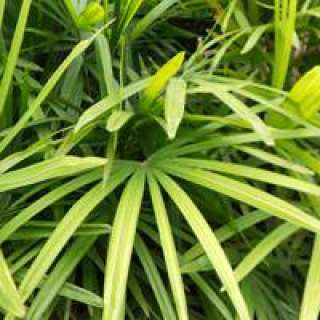
First, you must understand my language. I am a resilient plant, but my stalks and leaves are my voice. If my leaves are turning yellow, it is a primary signal of distress. This can mean one of two things from my perspective: either my roots are suffocating and rotting in stale, oxygen-deprived water, or I am being chemically burned. I am sensitive to the minerals and chlorine found in tap water. If my stalks are becoming soft, mushy, or brown, this is a critical sign of advanced root rot. Conversely, if my leaf tips are brown and crispy, I am likely pleading for higher humidity or purer water. Observe me carefully; your correct diagnosis is the first step to saving my life.
Water is my lifeblood, but it can also be my poison. If you suspect root rot, you must act immediately. Gently remove me from my container. Feel my roots. Healthy roots should be firm and reddish-orange. If they are brown, black, slimy, and emit a foul odor, they are rotting. Using sterile scissors, you must courageously cut away all the soft, rotten parts of the stalk and the diseased roots. Do not be afraid; I cannot recover from rot, and it will spread. After the surgery, allow my cut end to air dry and callous over for a few hours; this seals the wound and prevents new infection.
Next, my water source must be pristine. I long for pure, neutral water. Please, use filtered water, distilled water, or rainwater. If you must use tap water, let it sit uncovered for 24 hours to allow the chlorine to evaporate. My water should be changed completely every week to keep it fresh and oxygenated, and the container should be cleaned to prevent algae and bacterial growth. Ensure the water level is just high enough to cover my roots, typically one to two inches; submerging my stalk too deeply invites rot to return.
While I am often placed in low-light offices, I thrive best in bright, indirect light. Direct sunlight is my enemy; it scorches my leaves, causing them to turn yellow and pale. Think of the dappled light under the canopy of a forest—that is my ideal. If I am in a very dark corner, I will become weak and leggy as I stretch desperately for a light source. Please move me to a spot where I can receive plenty of gentle, filtered light throughout the day.
I am also a creature of stable, warm temperatures. I suffer in drafts, whether from a chilly window in winter or a constant blast from an air conditioner. Sudden temperature fluctuations cause me immense stress. Keep me in an environment between 65°F and 90°F (18°C to 32°C) for optimal health. A consistent, comfortable temperature allows me to focus my energy on recovery and new growth.
If I am potted in soil, ensure it is well-draining. I do not like to sit in soggy soil. A mix designed for cacti or succulents is ideal. If I am in water, my nutritional needs are minimal. You may think you are helping by giving me fertilizer, but too much will shock my system and burn my roots. If you wish to feed me, use an extremely diluted, water-soluble fertilizer—no more than one or two drops—and only once every two or three months during the growing season (spring and summer). In my weakened state, it is best to hold off on fertilizer until I show signs of new, healthy growth.