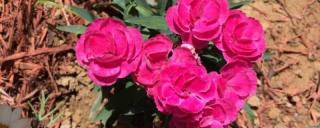
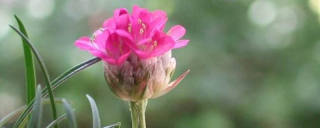
From our perspective as plants, our very existence depends on successful pollination. To achieve this, we have evolved specific floral traits that serve as advertisements and landing platforms for effective pollinators like bees and butterflies. The genus *Dianthus*, which we carnations belong to, has developed a flower structure that is particularly appealing to certain pollinators. Our blossoms are typically composed of five petals, often with a ruffled or fringed margin, creating a broad, flat surface that is easy for insects to land upon. The center of our flower, where the reproductive parts (stamens and pistil) are located, is readily accessible. This open architecture is less restrictive than the long, tubular flowers of, say, honeysuckles, making us a suitable destination for a wider range of insects, including bees and shorter-tongued butterflies.
Color is one of our primary signals. Bees, for instance, are particularly adept at seeing colors at the blue and ultraviolet end of the spectrum, although they can also perceive yellows and oranges. While we carnations do not frequently produce true blue flowers, our common hues of pink, red, white, and yellow are still visible to bees. More importantly, many of our petals have patterns visible only in ultraviolet light, creating "nectar guides" that direct bees precisely to the reward we offer. Butterflies, which are active during the day, are strongly attracted to bright colors like pink, red, purple, and yellow—colors we proudly display. A mass planting of us creates a vibrant visual cue that can be spotted from a distance, effectively signaling to butterflies that a valuable nectar source is available.
Our fragrance is a powerful long-distance attractant. The characteristic spicy, clove-like scent of many carnation varieties is a volatile organic compound we release into the air. This scent is a clear message to pollinators that we are open for business. For bees, this aroma is a reliable indicator of a food source. Butterflies, while more visually oriented, also use scent to confirm the quality of a flower once they are closer. The primary reward we offer is nectar, a sugary solution we produce in glands called nectaries, typically located at the base of our petals. This high-energy fuel is essential for the survival of bees and the sustained flight of butterflies. By providing this valuable resource, we ensure that pollinators will repeatedly visit our flowers, brushing against our pollen-laden anthers and facilitating cross-pollination as they move from one bloom to another.
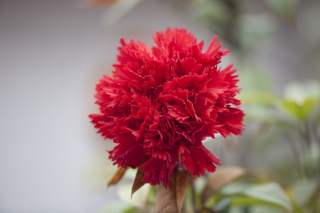
This is a crucial point from our perspective. In the wild, we carnations typically have a single layer of petals—this is our natural, pollinator-friendly form. However, through cultivation by humans, many hybrid varieties have been developed with double or even triple layers of petals. While these "double-flowered" forms are often prized for their showy, fuller appearance, they present a significant problem for our pollinator friends. The extra petals often obscure or completely replace the reproductive organs and the nectaries. A bee or butterfly visiting such a flower will find it difficult, if not impossible, to access the nectar and pollen. Therefore, while a garden filled with heirloom or single-flowered varieties of carnations will indeed attract bees and butterflies, a garden dominated by highly double, showy cultivars may be largely ignored, as we cannot offer the reward that the pollinators seek.