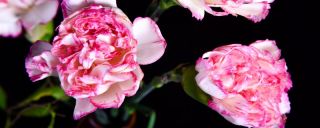
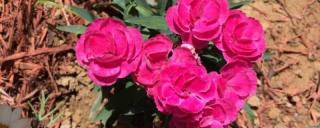
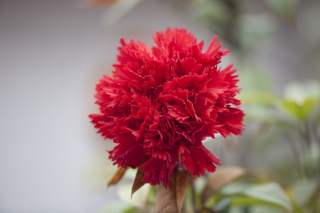
Greetings, cultivator. I am the spirit of the carnation, a plant that has graced gardens with vibrant color and a spicy fragrance for centuries. To truly help me thrive in a container, you must understand my needs from the root upward. The choice of pot and its drainage is not a mere horticultural detail; it is the foundation of my existence in your care. Let me explain what I require.
From my perspective, the pot is my entire world. Its size dictates the volume of soil, which in turn is the reservoir for my two most vital resources: water and oxygen. A pot that is too large is a dangerous, soggy cavern. The vast amount of soil holds more water than my root system can absorb, creating a perpetually wet environment. In this waterlogged state, the air pockets in the soil collapse. My roots, which need to breathe just as much as they need to drink, begin to suffocate and rot. This root rot is a silent, swift killer, often undetected until my foliage above ground wilts and yellows—a tragic irony of dying of thirst while drowning.
Conversely, a pot that is too small is a cramped, stressful prison. My roots quickly become pot-bound, circling the interior and forming a dense mat. In this confined space, the soil's ability to retain moisture and nutrients is severely compromised. I will constantly be on the brink of drought, requiring frequent watering, and my growth will be stunted. I will be unable to support the vibrant blooms you desire, as all my energy is spent merely surviving. Therefore, the ideal pot provides just enough room for my roots to explore and expand over one growing season, typically starting in a container that is 1-2 inches wider in diameter than my current root ball.
The material of the pot directly influences the soil environment. I have a strong preference for porous materials like unglazed terracotta or clay. These pots are my allies. Their walls allow air and moisture to pass through, a process that actively pulls excess moisture away from the soil core and allows my roots to breathe from the sides as well as the top. This "breathing pot" effect significantly reduces the risk of waterlogging. Furthermore, these materials are heavier, providing stability against my sometimes top-heavy growth and the wind.
Non-porous pots, such as glazed ceramic, plastic, or metal, are more challenging for me. They act like a sealed bath, retaining every drop of water. While they can be used, they require a cultivator with a very disciplined and light hand when watering. They also heat up more quickly in the sun, which can stress my root system. If you choose such a pot, you must be exceptionally vigilant about drainage and watering frequency.
This is the single most important feature of any container you choose for me. Drainage holes are my emergency exit for floodwaters. Without them, water has absolutely nowhere to go. Even with perfect watering, a rain shower can fill my pot to the brim, creating a stagnant pool at the bottom where my most important roots reside. This is a guaranteed death sentence. One drainage hole is the absolute minimum, but several holes are far better, ensuring that water can escape freely from multiple points.
Do not be tempted by decorative pots without holes; instead, use them as a cachepot (an outer decorative pot). Plant me in a simple, functional pot with excellent drainage that fits inside the decorative one, and always remember to empty the cachepot of any standing water after watering. To further enhance this lifesaving drainage, I appreciate a layer of coarse material at the bottom of the pot, such as broken pottery shards, pebbles, or a handful of gravel. This creates a space for water to collect before it exits, preventing the drainage holes from becoming blocked by compacted soil.