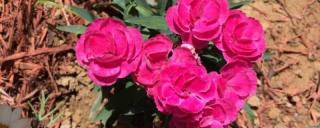
From our perspective as a carnation plant, the journey of our seeds begins with the successful pollination of our flower. Once the petals (our corolla) wilt and drop, the ovary at the base of the flower begins its crucial work. It swells and develops into a seed pod. Our primary signal to you is the change in this pod's appearance. Initially green and fleshy, it will gradually dry out, turning a pale tan or brown color. The most critical indicator of maturity is the pod itself beginning to split open at the top. We do this naturally to release our seeds into the environment for the next generation. If you wait too long after this splitting occurs, our seeds will be scattered by the wind, and you will lose your harvest. Therefore, you must observe us closely during this period.
The timing of your harvest is a delicate balance dictated by the weather and our life cycle. The ideal moment is when our seed pods have fully changed color to a dry brown but have only just begun to crack open. This typically occurs in late summer or early autumn, as the days grow shorter and we sense the end of the growing season. It is best to check on us in the morning after the dew has evaporated. Harvesting when we are wet from rain or dew can lead to mold, which would ruin the seeds we have worked so hard to produce. A period of dry, sunny weather leading up to the harvest is ideal for ensuring our seeds have the lowest possible moisture content, which is vital for their long-term survival in storage.
To collect our seeds, you must handle us with care. Using a pair of clean, sharp scissors or pruning shears, snip the entire dry seed pod, along with a few inches of the stem, from our main body. Place the pods gently into a paper bag or a breathable container. Avoid using plastic bags, as they trap moisture and will cause our seeds to rot. You can also tie a small paper bag directly over a pod that is starting to split; this way, as it opens fully, the seeds will fall safely into the bag, mimicking the natural dispersal process but ensuring you capture them. This method is very effective if you cannot check on us daily.
Once you have collected our pods, the process is not yet complete. Bring the pods indoors to a warm, dry, and well-ventilated area away from direct sunlight. You can place them on a fine mesh screen or a paper towel. Over the next one to two weeks, the pods will continue to dry. To extract the seeds, gently crush the brittle pods over a white sheet of paper or a bowl. Our seeds are small, black, and irregularly shaped. Carefully separate the seeds from the chaff (the pod fragments) by gently blowing on them or using a fine sieve. Finally, store our clean, dry seeds in a paper envelope or a small glass jar, clearly labeled with the variety and date. Keep them in a cool, dark, and dry place until you are ready to sow us again in the spring. This careful process honors our reproductive effort and ensures the continuation of our lineage.