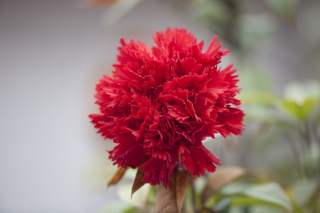
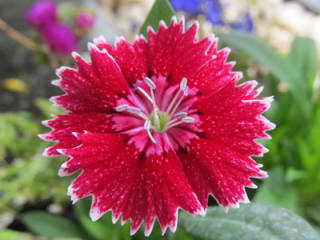
From a botanical perspective, the lifespan of a cut carnation (Dianthus caryophyllus) begins the moment it is severed from the parent plant. This act is traumatic, as it instantly halts the supply of water, minerals, and hormones from the root system. The flower, however, remains a living, respiring organism. Its subsequent longevity is determined by its ability to manage water balance and resist senescence (aging) and microbial attack. The initial health of the flower at the time of cutting is paramount. A carnation harvested at the optimal stage—typically when the petals are partially unfurled and the flower feels firm to the touch—has greater carbohydrate reserves and structural integrity than a fully bloomed or over-mature flower, granting it a stronger foundation for post-harvest life.
The single most important factor governing the vase life of a cut carnation is its ability to take up water. Once cut, the flower relies on the xylem vessels in its stem to draw water from the vase. However, two primary issues can arise. First, air bubbles can enter the xylem and form an embolism, creating a physical blockage that prevents water flow. This is why recutting stems underwater before placing them in the vase is a recommended practice; it prevents air from being drawn into the vascular system. Second, the stem's cut end responds to injury by secreting polysaccharides and phenolic compounds, which can oxidize and form microbial plugs or directly occlude the vascular tissue. This natural wounding response, while meant to protect the plant, ultimately accelerates wilting in the cut flower by severely restricting hydraulic conductivity.
Carnations are classified as extremely ethylene-sensitive flowers. Ethylene is a plant hormone that acts as a powerful trigger for senescence. It can be produced by the flower itself as it ages or can come from external sources like ripening fruit, decaying plant matter, or vehicle exhaust. When a carnation perceives ethylene, it initiates a programmed senescence process characterized by "in-rolling" of the petals, a loss of turgescence (water pressure), and eventual necrosis. This physiological response is a key reason for their relatively shorter vase life compared to ethylene-insensitive species. The use of floral preservatives containing ethylene inhibitors, such as silver thiosulfate (STS) or 1-MCP, is a direct countermeasure to this specific plant hormone pathway, significantly extending longevity by delaying the genetic program for petal senescence.
In the vase environment, the cut stem and the water itself become a breeding ground for bacteria and fungi. These microorganisms proliferate by feeding on the sugars and nutrients leaching from the cut stem. Their growth has a dual negative effect. They directly compete with the flower for the water in the vase, but more critically, they colonize the cut end of the stem, forming dense biofilms that physically block the xylem vessels. This microbial blockage is a major cause of water stress and premature wilting. Furthermore, some bacteria produce ethylene as a metabolic byproduct, further accelerating the senescence process described above. Therefore, maintaining low microbial levels through clean vases, fresh water, and the biocidal agents found in commercial flower food is essential for maintaining unimpeded water transport.
The post-harvest environment directly influences the metabolic rate of the cut carnation. As a respiring organ, the flower consumes its stored carbohydrates (sugars) to produce energy. Higher temperatures dramatically increase the rate of respiration, depleting energy reserves rapidly and accelerating all aging processes, including ethylene production. High temperatures also increase water loss through transpiration from the petals and leaves. Conversely, cool temperatures slow down metabolism and water loss, which is why storing cut flowers in a cool place extends their life. Light is another factor; while necessary for photosynthesis on the plant, for a cut flower with limited reserves, excessive light can increase temperature and transpiration stress, potentially shortening vase life.